Wondering what is a prix fixe menu in France? It is a menu sold at one stated price, often with a choice of dishes. Check the board outside, then ask whether drinks are included.
This guide belongs to a wider series on dining out in france, covering how to order and pay with confidence.
| Item | Value |
|---|---|
| Price display rules set by | Arrêté of 27 March 1987, modified by the arrêté of 29 June 1990 |
| Menu visible from outside | From at least 11 h 30 (lunch) and 18 h (dinner) |
| Price where a service charge applies | Net price, taxes and service included |
| Drinks on a menu | “Boissons comprises” or “non incluses” must be stated |
| Alternative dishes on a menu | Marked with the word “ou” |
| Maximum penalty for a chronically unavailable dish | 2 years in prison and/or €37,500 |
The figures come from the CCI Paris Île-de-France page (updated 25 June 2026) and Que Choisir’s restaurant guide (published 19 July 2012). Rules and figures can change, so check the source before you rely on them.
What a prix fixe menu means in France
The English phrase prix fixe means fixed price: you pay one stated amount for a meal built from the dishes on that menu. The French sources cited here call this a menu, and they treat it separately from the carte, the wider list of dishes ordered one by one.
Those sources do not define what a formule contains, so do not assume a fixed pattern of courses. Read the board and ask the server what your menu includes.
A quick scan of any set menu should answer these questions:
- What is the one price, and is it a net price?
- Are drinks included or not?
- Which dishes are alternatives, marked with “ou”?
- Does any dish carry a supplement?
How the menu must be shown to you
A restaurant has to show its menu in two ways, according to Que Choisir’s 2012 guide. First, a visible and legible display must be readable from outside throughout service, and at least from 11 h 30 for lunch and 18 h for dinner.
Second, the carte must be handed to you once you are seated. The same guide says the 27 March 1987 arrêté, numbered 87-02/C, sets out how prices of drinks, common dishes, menus and the daily carte are displayed inside and outside the premises.
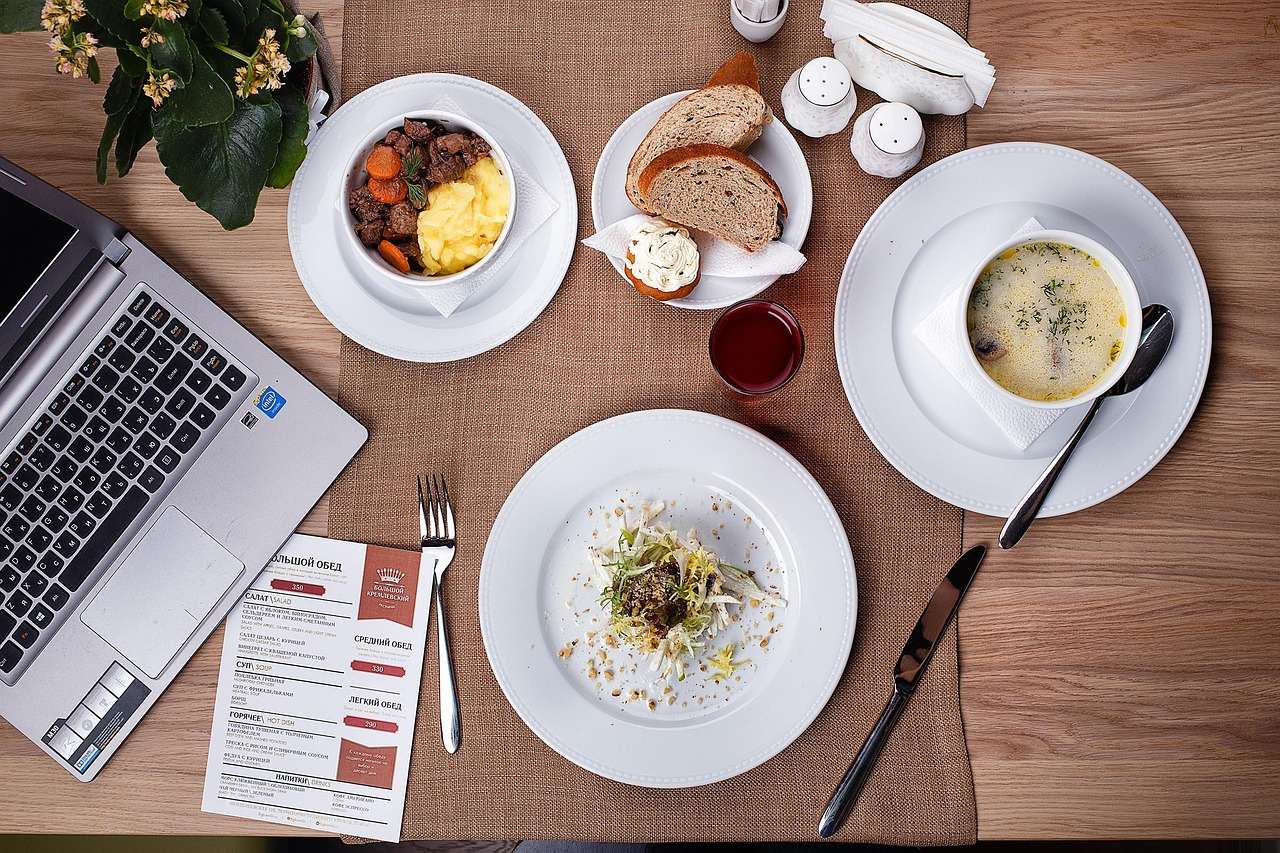
The CCI Paris Île-de-France page confirms the legal base: the arrêté of 27 March 1987, modified by the arrêté of 29 June 1990, fixes the price display rules for places serving meals, food or drinks to be consumed on the premises. Treat the board as your first check, not an afterthought.
Prices on a board may differ by time. Que Choisir notes that as long as the display duty is met, a restaurateur can vary prices by time of day or day of the week, which is why a lunch board and an evening board can differ.
What does the price on the board include?
The CCI page states that in an establishment where a service charge is collected, the announced price is a net price, meaning taxes and service are already counted. So the figure on the menu should be the figure you pay for that menu, before any drinks that are not included.
If you are wondering what to add on top, the separate guide on tipping in france restaurants covers that question.
Drinks: included or not?
Que Choisir says that on menus the mention “boissons comprises” or “non incluses” must be given, with the nature and volume where relevant. If you see neither wording, ask before ordering.
Bread and water
Que Choisir describes a legal grey area around the free carafe of water. A 1967 arrêté, described as not repealed but obsolete, says the “couvert” included in the price covers bread, ordinary water, cutlery, napkins and spices.
The guide concludes that a carafe seems due when you order a dish, but it also says legal uncertainty remains. Ask politely rather than assume.
Choices, supplements and the word “ou”
Many set menus let you pick between dishes. Que Choisir says the menu must show that dishes are alternatives with the word “ou”, otherwise it could suggest you get them all, which may be a misleading commercial practice.
A restaurateur may also state expressly that certain dishes on a multiple-choice menu carry a supplement. Look for that mention on the board before you choose.
Here is how to read a typical line:
- Find the price for the whole menu.
- Check each course for “ou” between dishes.
- Look for a supplement mark next to any dish you want.
- Check the drinks mention.
Some limits are implicit. Que Choisir gives the example of a children’s menu that is offered only to minors.
Names on the menu
Dish and wine names must not mislead you about the nature, quality or origin of what is served, according to the same guide. When a menu uses regional names, the guide to traditional provencal dishes helps you decode what you are likely to see.
When a dish runs out or is not what you ordered
A restaurant may prepare some dishes in limited quantity, and they can run out during service. When that happens, Que Choisir says the restaurateur must mention it immediately on both the interior and exterior carte.
Chronic unavailability is different. The guide calls it a misleading commercial practice, punishable by 2 years in prison and/or a maximum fine of €37,500.
If a dish does not match your order or is inedible, the guide says you may refuse it. Complain at once so the restaurateur can settle it amicably, which it says happens in the great majority of cases.
Do not expect to rewrite the menu, though. A restaurateur is under no obligation to accept a change to a dish; your request is only a counter-proposal that they may accept or decline.
Frequently asked questions
Is a prix fixe menu the same as a formule?
Show answer
The sources cited here do not define a formule, so there is no basis to say the two are identical. Ask the server what is included in the one you are offered.
Are drinks included in a set menu?
Show answer
Not automatically. Que Choisir says menus must state “boissons comprises” or “non incluses”, so look for one of those mentions.
Can a dish on the menu cost extra?
Show answer
Yes, if the menu says so expressly. Que Choisir says a restaurateur may indicate that certain dishes on a multiple-choice menu carry a supplement.
Can I bring my own bottle of wine?
Show answer
Que Choisir calls the practice legal but subject to the restaurateur’s agreement. It advises telling the restaurant when you book, and a corkage fee may apply.
Can I ask to swap a dish on the menu?
Show answer
You can ask, but the restaurateur is free to refuse. Que Choisir says they are not obliged to accept a modification.