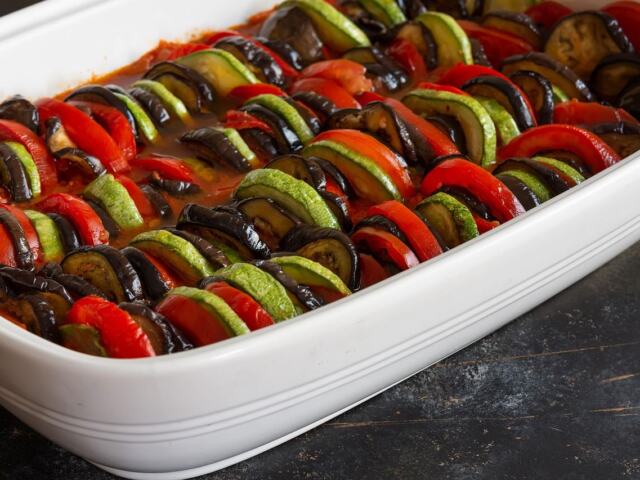

Worried you’ll be stuck with a side salad? Vegetarian food in France is easier than the clichés suggest: say exactly what you don’t eat, look at menus ahead, and use the growing plant-based scene.
This guide is part of our wider look at dining out in france, and it focuses on the practical side of eating without meat.
| Item | Value |
|---|---|
| De Rode Koe, Lille | Menu mainly vegetarian and vegan, with a few other options |
| L’Écomotive, Marseille | Organic, homemade vegetarian café near Saint-Charles station |
| Le Nid, Dijon | Menu not fully vegetarian, but a large choice of 100% vegetarian dishes |
| Saying only “vegetarian” | Some French people may assume you still eat fish |
| Some Paris vegetarian and vegan restaurants | Open for lunch only, so double-check hours |
The restaurant details come from the Dutch-language France.fr page, published in October 2021 and updated in February 2024. The language and opening-hours tips come from a Talk in French guide from February 2016. Menus, hours and listings change, so check the sources and each venue before you rely on them.
Why the meat-and-cheese cliché is fading
The France.fr tourism page describes the old picture of French dining as a salad to start, a piece of meat in the middle, and cheese and sweets afterwards. It calls that cliché a little passé and says the cuisine végétale is on the rise across the country (France.fr, Dutch version, updated February 2024).
One landmark is Ona in Arès, in the Gironde near the Bassin d’Arcachon. As of the France.fr German-language page published in October 2021, it was named the first vegan restaurant in the world to receive a Michelin star, in January 2021.
That doesn’t mean every menu has caught up. The Talk in French guide still points to meaty classics such as steak au poivre, boeuf bourguignon, coq au vin and foie gras, while also saying France has become more and more vegetarian and vegan-friendly in recent years.
So expect it to be easier than you feared, but not effortless. A little preparation makes the difference between a stressful meal and a good one.
How do you explain what you don’t eat?
Saying only that you are vegetarian may not be enough. The Talk in French guide notes that in France there is sometimes confusion between vegetarians and pescatarians, so some people will assume you eat fish.
The French words for vegetarian (végétarien) and vegan (végétalien) are also almost alike, so the guide recommends spelling out exactly what you can and cannot eat.
A simple sentence does the job, for example “Je suis végétarien, je ne mange ni viande ni poisson.” Beyond that, it helps to be ready to cover these points:
- Whether you eat fish or not.
- Whether eggs and dairy are fine for you.
- Whether sauces, soups and fillings are made with meat or fish.
Keep the tone friendly. The same guide reminds visitors that in a French restaurant the chef runs the show, so try not to get upset if a special request isn’t taken up.
You may also get curious questions about your diet. The advice from other vegetarians in that guide is to answer simply and avoid arguments, because being a gracious guest is valued everywhere.
Vegetarian-friendly places across France
You won’t eat at a dedicated vegetarian restaurant every day, but knowing they exist takes the pressure off. The France.fr pages name a handful of examples, listed here as neutral reference points rather than recommendations.
- De Rode Koe, Lille: a menu that is mainly vegetarian and vegan, with some other options for guests who want them.
- L’Écomotive, Marseille: a café near Saint-Charles station serving organic, homemade vegetarian food, such as a soup of beans and split peas or a quiche of beetroot and roquefort.
- Culina Hortus, Lyon: described as gastronomic vegetarian dining.
- Le Nid, Dijon: not fully vegetarian, but with a large choice of 100% vegetarian dishes, per the Dutch-language France.fr page.
- XuXu, Biarritz: a vegan restaurant whose dishes are fully gluten-free and made from organic products.
- Totum Bistro, Nantes: organic, gluten-free and purely plant-based dishes, per the German-language France.fr page.
These descriptions date from the France.fr pages, so confirm that a place is still open and still serves what you need before you plan a trip around it. Even a mixed menu such as Le Nid’s shows that you can eat well in venues that also serve meat.
Ordering at an ordinary French restaurant
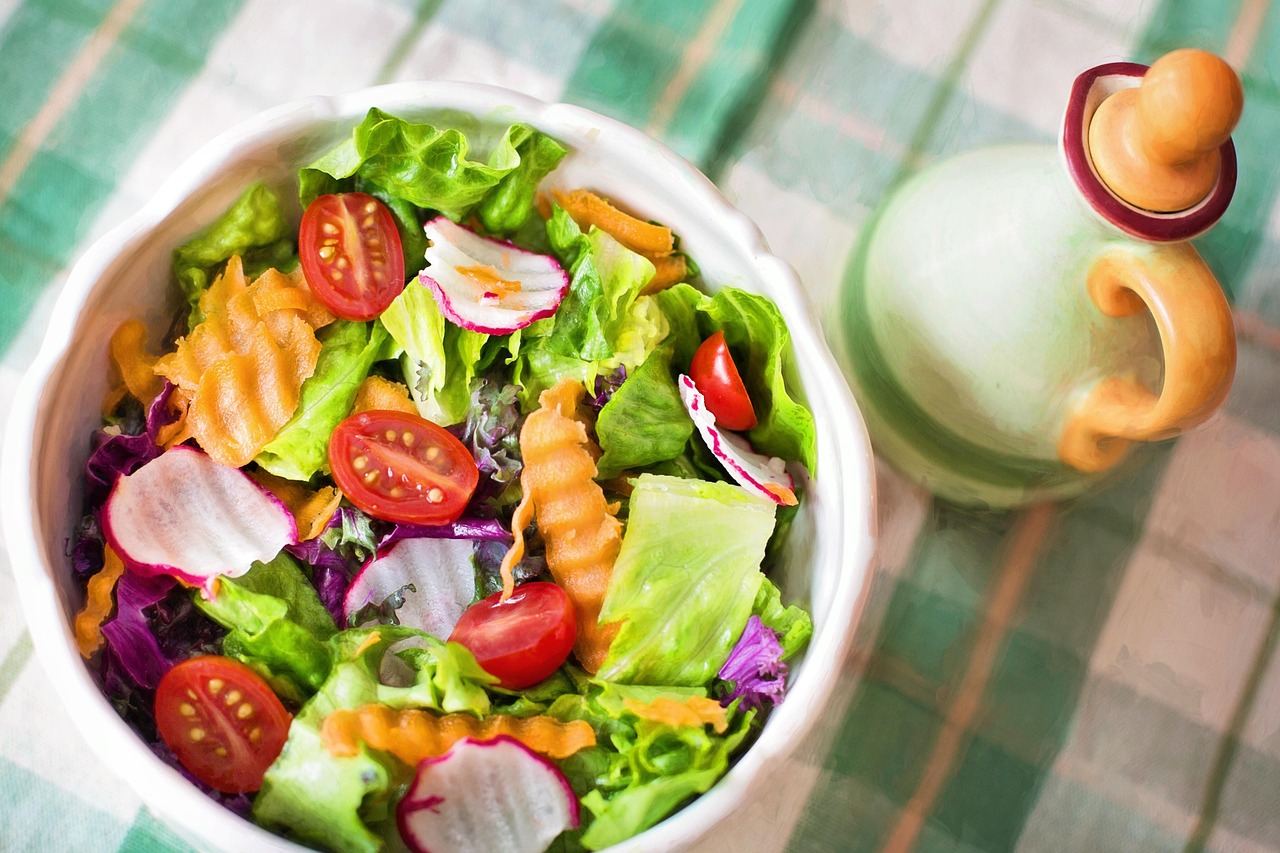
Most of your meals will be in regular restaurants, not specialist ones. This is where the vocabulary pays off: the Talk in French guide says learning key words helps you recognise ingredients when you scan a menu or a food label.
Read the starters, sides and any set menu closely, and ask the server what is in a dish rather than guessing. A short, polite question usually goes further than a long list of changes.
If your trip leads to Provence, it helps to read up on traditional provencal dishes beforehand, so you can tell which ones are built around meat or fish and which you can ask about.
Drinks are part of the same conversation at the table, and our notes on how to order wine in a french restaurant cover that side of the meal.
Planning ahead and backup meals
A few habits make the trip smoother, and most of them come straight from the Talk in French guide. Work through them in this order:
- Use an app or directory. The guide suggests apps such as Happy Cow, which lists vegan and vegetarian restaurants, places with veggie options and health-food shops. It also warns that listings and totals change, so use the current filters.
- Check opening hours. Some vegan and vegetarian restaurants in Paris are open only for lunch, so confirm the hours or reserve beforehand.
- Visit the markets. The guide praises French outdoor markets for their fresh produce, which is handy if you have a kitchen.
- Keep a fallback. You can often find falafel in tourist areas, and a baguette with tomatoes or other toppings makes an easy picnic. Check ingredients and sauces if you need to be certain.
- Look for local company. For longer stays, the guide points to the Association végétarienne de France site and online groups.
None of this needs a rigid plan. A saved list of nearby options, one backup meal and a clear sentence in French cover most situations.
Frequently asked questions
Is it hard to find vegetarian food in France?
Show answer
The Talk in French guide says being vegetarian or vegan in France isn’t as hard as you might think, although meaty classics are still common on traditional menus. Planning ahead makes it easier.
Is saying “je suis végétarien” enough?
Show answer
Not always. Because some French people assume vegetarians eat fish, it is better to say exactly what you do and don’t eat.
Are there fully vegetarian restaurants in France?
Show answer
Yes. The France.fr page, updated in February 2024, names several, including L’Écomotive in Marseille and De Rode Koe in Lille. Check each venue’s current menu and hours before you go.
What can I eat if I can’t find a suitable restaurant?
Show answer
The Talk in French guide suggests falafel in tourist areas or a baguette with tomatoes and other toppings for a picnic. Check the ingredients and sauces either way.