Worried about getting it wrong when dining out in France? You’ll do fine: greet staff with bonjour, let the meal unfold slowly, and know that service is already included in the price.
| Item | Value |
|---|---|
| Tipping in restaurants | Not compulsory |
| Tap water | Free |
| Service on the bill | Already included in the price |
| Rounding-up example | €47 to €50 |
| Tip in a smarter restaurant | Around 5 to 10 per cent, optional |
| Hygiene inspection results online | Visible for one year after the inspection |
These figures come from Europe-Consommateurs, on a page updated on 2 July 2026, and from Taste of France, in an article published August 28, 2026. Rules, prices and customs can change, so check the source before you rely on them.
Before you sit down: timing, bookings and dress
French kitchens keep a fairly fixed rhythm. According to a LaFrance etiquette guide published 2026-03-27, lunch service runs from 12:00 PM to 2:30 PM and dinner service from 7:00 PM to 10:00 PM. Treat those as typical windows rather than promises, because each restaurant sets its own service hours.
The same LaFrance guide calls an arrival at 6:00 PM for dinner a clear tourist signal, since most kitchens are not ready and you may be turned away. If you are short on time, lunch is a safer bet than an early dinner. For more on planning your day around kitchen hours, see this guide to french restaurant opening hours.
A reservation is not always needed at casual bistros. It is strongly recommended at mid-range and high-end restaurants, especially on Friday and Saturday evenings. If a place is on your must-visit list, book ahead and avoid turning up hopeful on a weekend night.
Dress is relaxed but not careless. The guide says smart-casual is the minimum for any sit-down restaurant: clean sneakers are fine, while flip-flops and athletic wear are not. A good test is whether you would wear the outfit to a nice dinner at home.
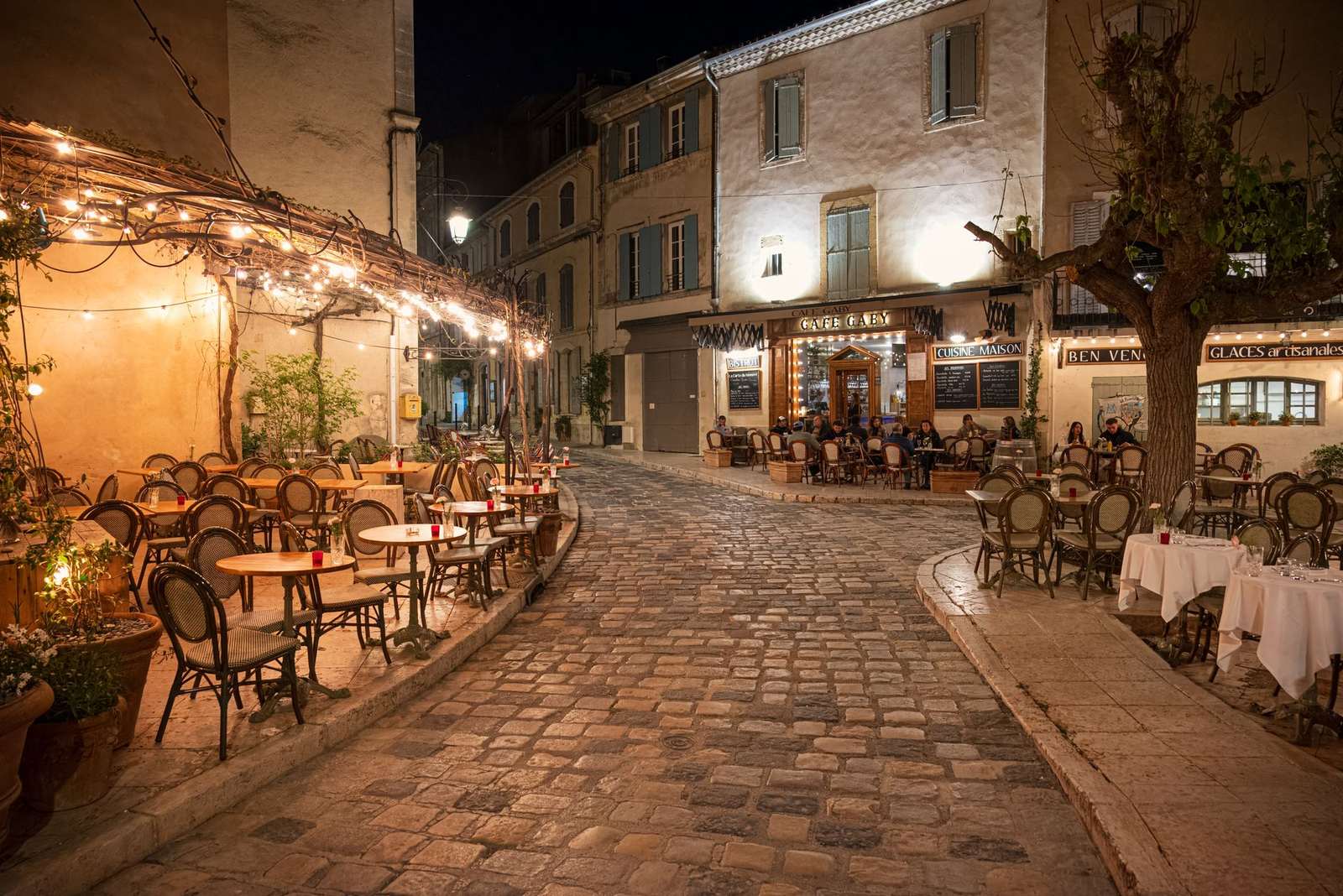
Dining out in France: how a meal unfolds from greeting to bill
The first move matters most. The LaFrance guide says to always greet the host or server with “Bonjour” when you enter, and to switch to “Bonsoir” after 6:00 PM. Launching into a request without a greeting is considered rude, so open with the greeting and then ask for your table.
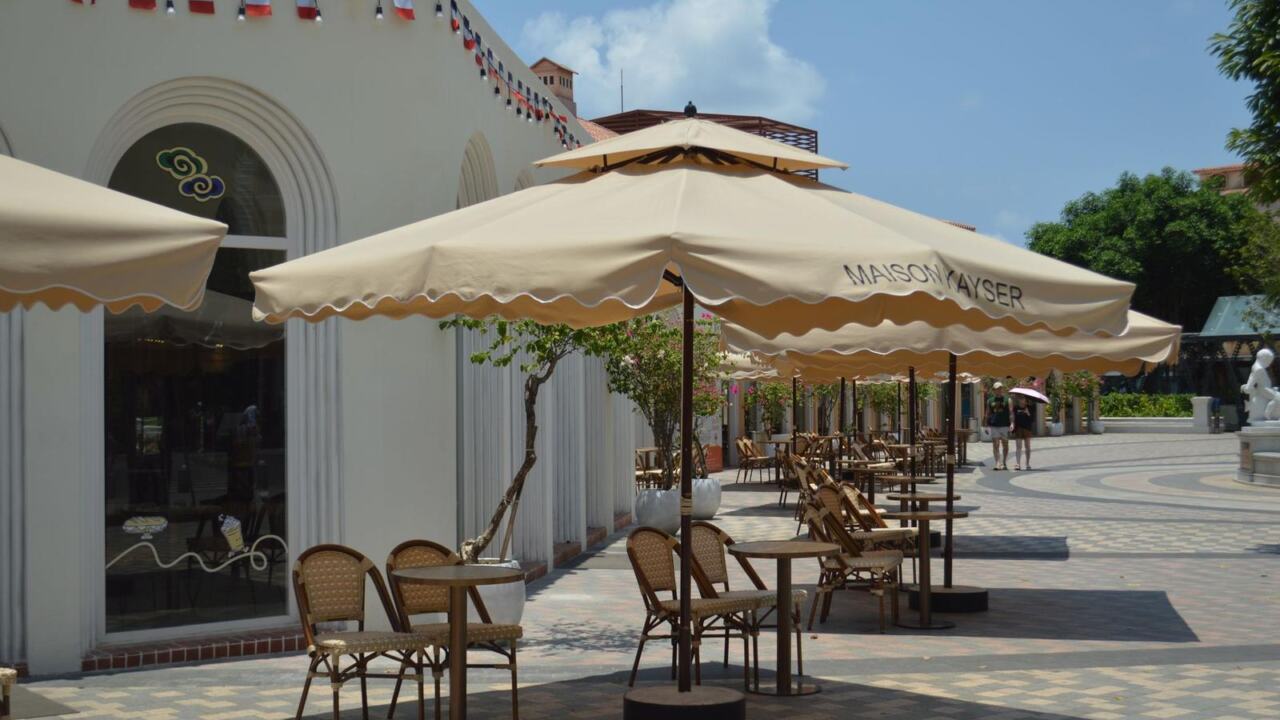
Seating varies. At many restaurants, especially those with terraces, you may be welcome to take any free table. If a host is present, wait to be seated, and if nobody comes you can politely ask “On peut s’asseoir?”, which means “May we sit down?”
Ordering often happens in stages. The waiter may take drinks first, then return for the starter (entrée), then again for the main course (plat). The pace is intentional, and the waiter is not ignoring you.
That unhurried pace has a practical side for your schedule. The guide suggests allowing 1.5 to 2 hours for a proper lunch and 2 to 3 hours for dinner, according to LaFrance. Plan your afternoon or evening around that, not around a quick bite.
A few table habits are worth knowing, all drawn from the same guide:
- Bread is served with every meal, usually without butter, and you tear it with your hands rather than cutting it with a knife.
- Utensils stay in the same hands throughout: knife in the right, fork in the left, with no switching.
- Phones stay off the table, and a call means stepping outside.
- Toasting means eye contact with each person; the standard toast is “Santé!”
Two more details from the same guide shape how you handle your plate. Use bread to sop up sauce: the guide says this is not just acceptable but the intended use. Keep your hands on the table, with wrists resting on the table edge, rather than in your lap.
Bread and fries are the only foods you may eat with your hands, according to the LaFrance guide. Everything else, including fruit at the end of the meal, is eaten with utensils. If you are unsure, watch what the rest of the room does before you reach for anything.
It also helps to reframe the pace. The LaFrance guide argues that what some travellers perceive as slow service is actually respectful service, because the waiter is giving you space to enjoy your meal without rushing you out. In other words, the table is yours for as long as you wish, and the way to end the meal is to ask for the bill.
It is also useful to know the usual slip-ups. The guide lists a handful of common mistakes that mark you out as a visitor:
- Rushing the meal: a French meal is meant to be savoured, not completed like a transaction.
- Not greeting the staff: “Bonjour” first, always, and everything that follows will go better.
- Asking for substitutions: dressing on the side or swapped ingredients are poorly received, although genuine allergies should be stated politely.
- Requesting ketchup: it is the quickest way to signal that you do not appreciate the food, with a marginal exception for frites at a casual brasserie.
- Asking for a doggy bag: this was traditionally very unusual, attitudes are shifting in younger and more casual places, and at fine dining the guide says never.
- Arriving without a reservation on Saturday night: popular restaurants book weeks or even months ahead for weekend dinners.
Splitting the bill, known as “faire moitié-moitié”, is acceptable among friends but considered slightly gauche in formal settings, per LaFrance. In a group, agree quietly among yourselves who is paying before you ask for the bill. That keeps the end of the meal as calm as the rest of it.
When you finish, place your fork and knife together diagonally across the plate and the waiter will clear. The LaFrance guide describes fork and knife at 4 and 8 o’clock as the signal that you are still eating. If you want a fuller tour of manners, the guide to french restaurant etiquette covers the customs in more depth.
None of these customs is difficult. Greet people, go at the pace of the table, order politely, and ask for the bill when you are ready. Do those four things and the rest of the rules in this guide, from menus to tipping, fall into place much more easily.
What a French menu and price must show
French rules give you a clear view of the offer before you commit to a table. As of the Europe-Consommateurs page updated on 2 July 2026, a restaurant should display certain information before you go in or sit on its terrace.
- The menus or daily menu, with prices inclusive of all taxes and whether drinks are included.
- Days and times for any reduced-price menu served during the week or at lunchtime.
- Names and prices of the wines and drinks most commonly served.
- The times of lunch and/or dinner service.
The drinks listing covers the 5 wines or 5 drinks most commonly served, such as fruit juice, mineral water, soft drinks or coffee, per Europe-Consommateurs. This must be visible and legible from outside the restaurant, throughout the service and at least from 11.30 a.m. for lunch and 6 p.m. for dinner. Inside, the restaurant must make menus identical to those displayed outside available to customers.
The price displayed must be in euros and include all taxes, and the amount you pay at the end must match it. The price of the meal must also cover bread, water in a carafe, condiments, crockery, glassware and napkins, and it includes the service. That is why you are never charged extra just for sitting down with bread and tap water.
Fixed-price meals are common and often good value. LaFrance describes a formule or menu as a fixed-price meal, usually two or three courses. To see how they work in practice, read the answer to what is a prix fixe menu in france.
The words on the page can still be puzzling, especially the difference between a starter and a main. A good next step is to learn how to read a french menu before your first dinner out.
Three more rules help you judge what you are being served, as of the same Europe-Consommateurs update:
- Fait maison (home-made) indicates dishes made on the spot, cooked in the restaurant, from raw products.
- The origin of meat must be shown legibly on the menu or another medium, and this applies to beef, sheep, pork and poultry.
- The establishment must give you written information about the possible presence of allergens, whether on the menu, on a board at the counter or in a notebook you can ask staff for.
Do you have to tip in France?
No. Europe-Consommateurs, on its page updated on 2 July 2026, states that tipping isn’t compulsory. The menu or bill should carry the words “prix service compris”, because the service is already part of the price.
Taste of France says the same in its August 28, 2026 article: in restaurants, cafés and bars, the price you see already includes service. A small pourboire is appreciated for particularly good service, but it is a gesture rather than an expectation, according to Taste of France.
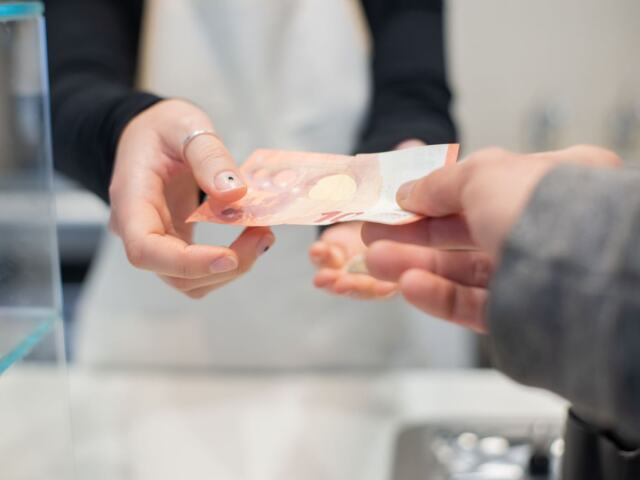
For a straightforward meal it is fine to pay the exact bill. Many people round up, for example €47 to €50, or leave a few euros on the table. In a smarter restaurant or after an especially memorable meal, you might leave around 5 to 10 per cent, with no obligation, per the same Taste of France article.
LaFrance gives a similar range, calling 5% to 10% the standard French tip for very good service and 15% to 20% excessive, according to its etiquette guide. If you want the full picture, including cafés and card payments, read about tipping in france restaurants.
Cafés are even more informal. If an espresso costs €2.80, you might leave €3, as Taste of France suggests. Some card machines now offer a tip option, but service compris still applies, so you need not choose one.
Three phrases make paying smoother:
- Un pourboire is the word for a tip.
- Gardez la monnaie means keep the change.
- L’addition, s’il vous plaît means the bill, please.
Remember that the waiter will never bring the bill unprompted, according to the LaFrance guide. Make eye contact and ask for it when you are ready. What can feel like slow service is the staff giving you space to enjoy your meal.
Drinks, Provençal dishes and special diets
Wine or water are the standard companions to a meal, says LaFrance. Asking for “une carafe d’eau” gets you free tap water, which matches the Europe-Consommateurs note that tap water is free. Soft drinks, cocktails and spirits are treated more as drinks before or after the meal.
Wine lists carry their own rules. The display of wines must give the precise name of the wine, including its origin if it has a protected designation of origin or geographical indication. When you are ready to choose a bottle, read how to order wine in a french restaurant: the guide to how to order wine in a french restaurant walks through the steps.
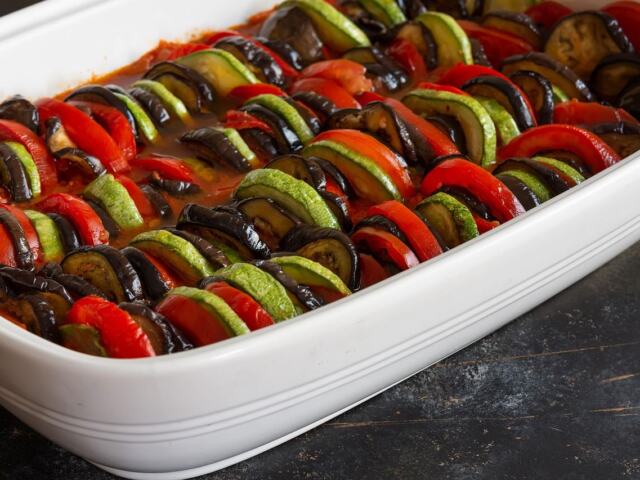
If you are eating in the south, regional cooking is part of the pleasure. This site focuses on Provence, and the page on traditional provencal dishes is a good place to learn what to look for. For planning the wider trip, the provence travel guide is the companion read.
Dietary needs call for some planning. According to the LaFrance guide, French kitchens prepare each dish as the chef designed it, and asking for modifications such as dressing on the side, sauce removed or ingredients swapped is poorly received. Genuine restrictions or allergies are different: say them politely, for example “J’ai une allergie à…” for “I have an allergy to…”.
For meat-free eating, start with the guide to vegetarian food in france, and remember that you are entitled to written allergen information. If you also enjoy cooking at home after a trip, the japanese cooking for beginners guide is another companion read on this site.
What if something goes wrong?
Most meals pass without a hitch, but it helps to know where you stand. As of the Europe-Consommateurs page updated on 2 July 2026, you can ask for a change of dish if what is served is not what was advertised, for example surimi instead of crabmeat. You can also ask for a replacement if a dish is not hot enough or not cooked enough, or if the wine is “corked”.
There is a limit. If a dish you ordered is simply not to your liking, you cannot demand that the owner replaces it. If they refuse, you will have to pay for it even if you have not eaten it.
You can also check a restaurant’s hygiene record. The Alim’confiance website publishes the results of official health controls, carried out by the veterinary services of the Departmental Directorate of Population Protection (DDPP). The results are freely accessible and stay visible for one year after the inspection, and hygiene is rated on 4 levels.
The ratings, in order from best to worst, are as follows:
- Highly satisfactory: the establishment is compliant or has minor non-compliances.
- Satisfactory: the administration issued a simple warning but imposed no sanctions.
- To be improved: the establishment was given formal notice to comply within a certain period.
- To be corrected urgently: the establishment may endanger the health of the consumer.
The owner has no obligation to display the inspection results in front of the establishment. So do not read the absence of a notice as a bad sign.
If you become ill after a meal, consult a doctor whether or not the symptoms persist. Then gather what the doctor or the health control services may ask for:
- The name and contact details of the restaurant, plus the date and time of the meal.
- The number of guests and, if several are ill, their ages, symptoms and the times symptoms began.
- The composition of the meals each patient ate during the previous 5 days.
Finally, do not hesitate to alert the authorities, such as the Food Safety Department of the department where the restaurant is located, per Europe-Consommateurs.
Frequently asked questions
Is tipping compulsory in French restaurants?
Show answer
No. As of the Europe-Consommateurs page updated on 2 July 2026, tipping isn’t compulsory, and the price already includes service. A small extra for good service is a gesture, not a rule.
Is tap water free?
Show answer
Yes. Ask for “une carafe d’eau” and you get free tap water, per LaFrance. Europe-Consommateurs also notes that tap water is free, and that the price of a meal includes water in a carafe.
Do I need to book a table?
Show answer
Not always at casual bistros, but reservations are strongly recommended at mid-range and high-end restaurants, especially on Friday and Saturday evenings, says the LaFrance guide. A day ahead is usually enough for most restaurants.
Can I ask for changes to a dish?
Show answer
Modifications are poorly received in French kitchens, according to LaFrance. Genuine dietary restrictions or allergies are the exception: state them politely, and remember the restaurant must give written allergen information.
How do I ask for the bill?
Show answer
Make eye contact and say “L’addition, s’il vous plaît”, the phrase quoted by Taste of France. The waiter will not bring it unprompted.