If you’ve found a French restaurant with the kitchen shut and tables still set, you’re not alone. French restaurant opening hours are shaped by staffing rules and demand, so check each venue’s posted times before you go.
This guide sits within the wider topic of dining out in france, which covers the practical side of eating out.
| Item | Value |
|---|---|
| Businesses in the hotel, café and restaurant sector | More than 115,000 (2022) |
| Employees in the sector | Nearly 800,000 (2022) |
| Legal working time mentioned for the sector | 35 hours |
| Sector agreement identifier (IDCC) | 1979 |
| Date the agreement was signed | 30 April 1997 |
| Agreement full text last updated on LégiSocial | 11 November 2026 |
These figures come from Éditions Tissot’s page on the HCR agreement and from LégiSocial’s page on the same agreement. Figures can change, so check the source before you rely on them.
Why kitchens close within French restaurant opening hours
A closed kitchen is rarely a sign that the restaurant has given up on you. The sources behind this guide don’t publish service times, so they can’t tell you when any given kitchen stops. What they do show is the working framework that shapes a restaurant day.
The sector is large. According to DARES data for 2022, cited on Éditions Tissot’s HCR page, hotels, cafés and restaurants together account for more than 115,000 businesses and nearly 800,000 employees.
The same page describes a sector with demanding hours that can exceed the legal 35 hours. Staff schedules still have to respect legal rest rules and holiday rights. That tension between long service and required rest is one plausible reason a kitchen stops taking orders while the dining room is still open.
It helps to separate two things that look alike from the street. The hours on a door and the moment a kitchen stops taking orders are not necessarily the same thing. The sources behind this guide don’t say how any one venue handles that difference, so treat last orders as something to ask about.
Several features of the sector, as Éditions Tissot describes it, can affect how a restaurant plans its day:
- Hours that are demanding and can run past the legal 35 hours
- Legal rest rules and holiday rights that every schedule must respect
- Work on Sundays and public holidays, which the agreement treats as a specific case
- Extra and seasonal contracts used to cover peaks in activity
The page calls the resulting scheduling demanding, because a rota has to give good coverage while meeting those rules. It adds that establishments must juggle the needs of their staff and the expectations of their customers (source). A kitchen closing time is one visible result of that balancing act.
Size matters too. With more than 115,000 businesses sharing the same sector, according to the DARES figures for 2022 on Éditions Tissot’s page, it would be unwise to assume that one timetable fits every venue.
For you as a diner, the practical lesson is simple. A kitchen that has closed is probably working to a schedule set well before you arrived. Asking politely about kitchen hours when you book or arrive is more useful than hoping for flexibility at the last minute.
What the HCR collective agreement covers
Restaurants in this sector fall within the HCR collective agreement, identified as IDCC 1979. According to Éditions Tissot, it was signed on 30 April 1997 and sets rights, obligations and social benefits for the sector (source).
The same page lists the topics that make restaurant work distinctive:
- Sunday work and work on public holidays
- Extra contracts and seasonal contracts
- Minimum pay grids for different job levels
- Meals provided to staff
- A classification system for jobs, negotiated in 2022
As of LégiSocial’s page, whose full text was last updated on 11 November 2026, the agreement is listed as “en vigueur étendu”. That is the French label for an agreement in force and extended.
The agreement also includes meals as a benefit in kind. Employers must provide meals or, failing that, a financial compensation. It is a reminder that a restaurant team has its own daily rhythm, separate from the guests’.
How seasons, Sundays and holidays change the hours
Demand in this sector swings with the calendar. Éditions Tissot points to the peaks that restaurants have to absorb:
- High tourist season
- Year-end festivities
- Local events
To respond to those peaks quickly, the page says, establishments use extra and seasonal staff rather than hiring permanent extra people (source).
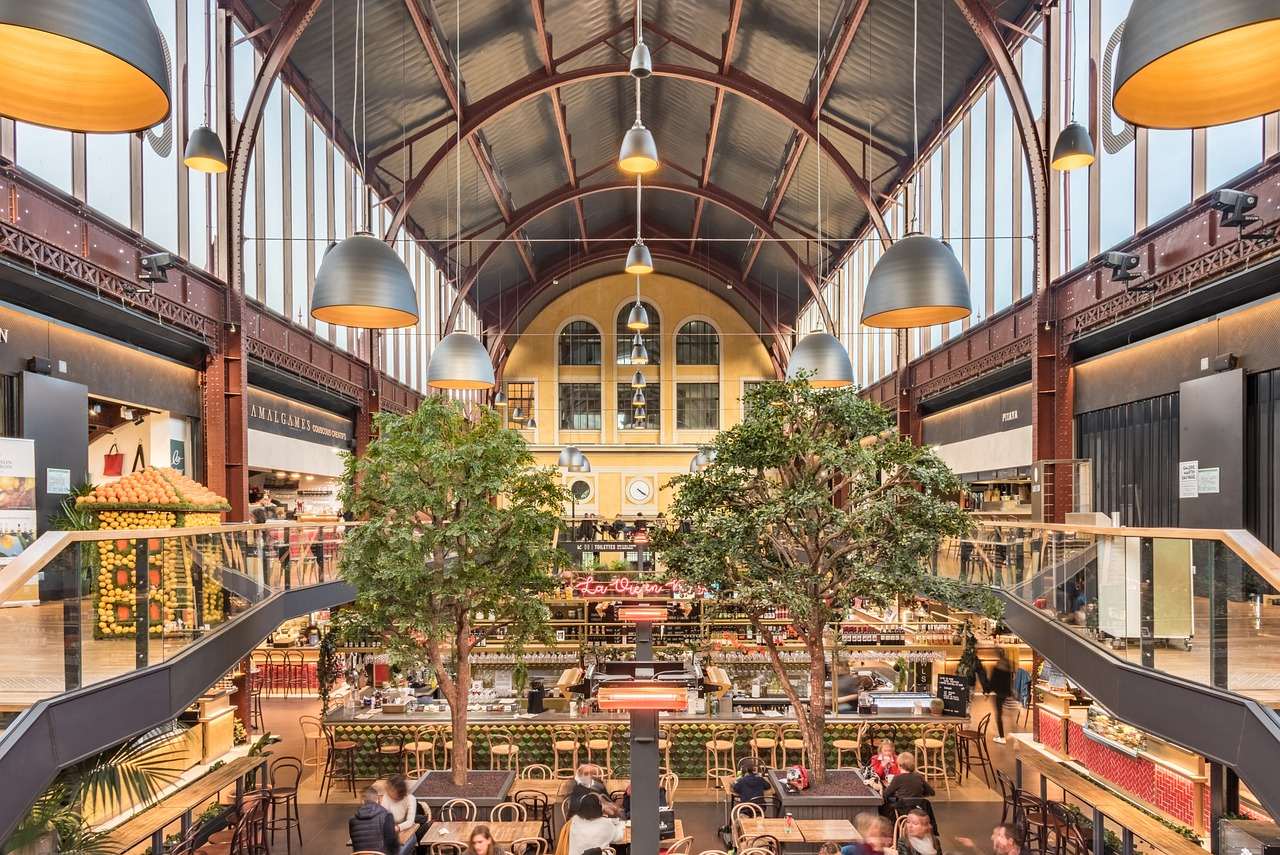
Public holidays work differently here than in many other sectors. In hotels, cafés and restaurants, the same page says, these days are often synonymous with heavy crowds and increased activity. A restaurant may therefore be open on a holiday, and busy.
Because staffing flexes with demand, the same restaurant can keep different hours in different seasons. The sources give no seasonal timetables, so treat any pattern you notice as something to confirm.
What to check before you go
A few quick checks cost you very little and save you from arriving after the kitchen has stopped:
- Look for the hours posted on the door or on the venue’s own page.
- Check for seasonal or holiday notices, especially around Sundays and public holidays.
- Ask, by phone or in person, whether the kitchen will still be serving at the time you plan to arrive.
- Arrive with time to spare so you can order before service winds down.
If the kitchen is about to wind down, a guide on how to read a french menu helps you order quickly and with confidence.
When the meal is over, the notes on tipping in france restaurants cover what to expect at the bill.
If you arrive and the kitchen has already closed, stay polite and ask whether anything is still being served. If not, move on to another venue rather than pressing the staff, who are working within their own schedule.
Can you trust the hours you find online?
Not without a second check. Rules and schedules change, and even the agreement text on LégiSocial carries a date of last update, 11 November 2026, as a reminder that reference material gets revised.
The same logic applies to a restaurant listing: it is only as fresh as its last edit. Treat the sign on the door, or a short call, as the final word.
Frequently asked questions
Why does a French kitchen close when the restaurant still looks open?
Show answer
The sources don’t give a single stated reason. They do show that restaurant hours are demanding and that schedules must respect legal rest rules and holiday rights, which is one likely factor.
Do restaurants open on Sundays and public holidays?
Show answer
Many may, because the sector’s agreement specifically deals with Sunday and public holiday work, and holidays are often busy. Each venue sets its own hours, so check before you travel.
How big is the French restaurant and hotel sector?
Show answer
According to DARES data for 2022, cited by Éditions Tissot, it has more than 115,000 businesses and nearly 800,000 employees. Figures can change, so check the source.
Is the 35-hour week a hard limit for restaurant staff?
Show answer
The source says hours in this sector can exceed the legal 35 hours. The detail sits in the collective agreement itself, so read that text if you need specifics.