Staring at a French wine list can make your palms sweat. Here is how to order wine in a French restaurant: name your budget and taste, ask for two options, check the label, taste for faults.
This guide is part of the wider topic of dining out in france.
| Item | Value |
|---|---|
| Typical glass of wine | 12cl to 14cl |
| Common pichet (carafe) size | 25cl, enough for two glasses |
| Common restaurant price multiplier | About three times the retail price |
| Most popular bottle on many lists | The second cheapest on the list |
| Year French wine categories were changed | 2012 |
| Rosé share of Provence production | More than half |
These figures come from Connexion France and France Travel Planner. Prices, sizes and rules can change, so check the source before you rely on them.
Start with your budget and your taste
A French-language guide on Vinetur says the most useful step is not proving you know wine. It is to decide two things before studying the list: how much you want to spend and which wines you usually like. That is your brief for whoever advises you.
When you ask for advice, give the budget and one simple preference. Vinetur suggests a line such as “Nous cherchons quelque chose de frais, sec et léger dans cette gamme de prix”, meaning you want something fresh, dry and light in that price range.
You can also ask for two options within your budget and a plain explanation of how they differ. That keeps the decision yours, which helps because advice varies. A columnist for Connexion France wrote in January 2026 that in more up-market places the sommelier can seem more interested in pouring a personal favourite than in listening to your requirements.
Describe the dish, not only the main ingredient. Vinetur says this is more useful, so mention the sauce and the dominant flavours. If someone at your table eats meat-free, you can read about vegetarian food in france before the meal so you can describe the dishes accurately.
How to read a French wine list
On a French list the names that stand out are the region and the vineyard, not the grape. France Travel Planner makes this point about French labels. The Connexion columnist adds that, as of his January 2026 column, wines must by law be listed by their Appellation, and AOP wines cannot share a section with IGP wines.
France Travel Planner describes three label categories after the 2012 change:
- Vin de France: the broadest category, usually simple and inexpensive.
- IGP: guaranteed to come from a particular region, but from any vineyard in it.
- AOP: described as the highest category in that system, replacing AOC.
Regions also hint at style. For Provence, France Travel Planner says rosé provides more than half of all production, with names such as Côtes de Provence, Côtes d’Aix-en-Provence and Bandol. If you want rosé with your meal in this part of France, that is a sensible place to start.
Four plain words from Vinetur cover most conversations with the waiter:
- Sec: dry, with no perceptible sweetness.
- Corps: body, the feeling of weight in the mouth, from light to fuller.
- Tanins: tannins, common in many red wines, which can make the mouth feel tight.
- Fruité: fruity, meaning fruit aromas and flavours, not sugar, so a wine can be very fruity and still dry.
Glass, pichet or bottle: which should you pick?
Vinetur advises comparing the total price of the glasses you really expect to order with the price of the bottle. The best choice is the one that fits your table’s tastes and how much you will drink, not a rule about savings. If two people want different styles, glasses may suit you better.
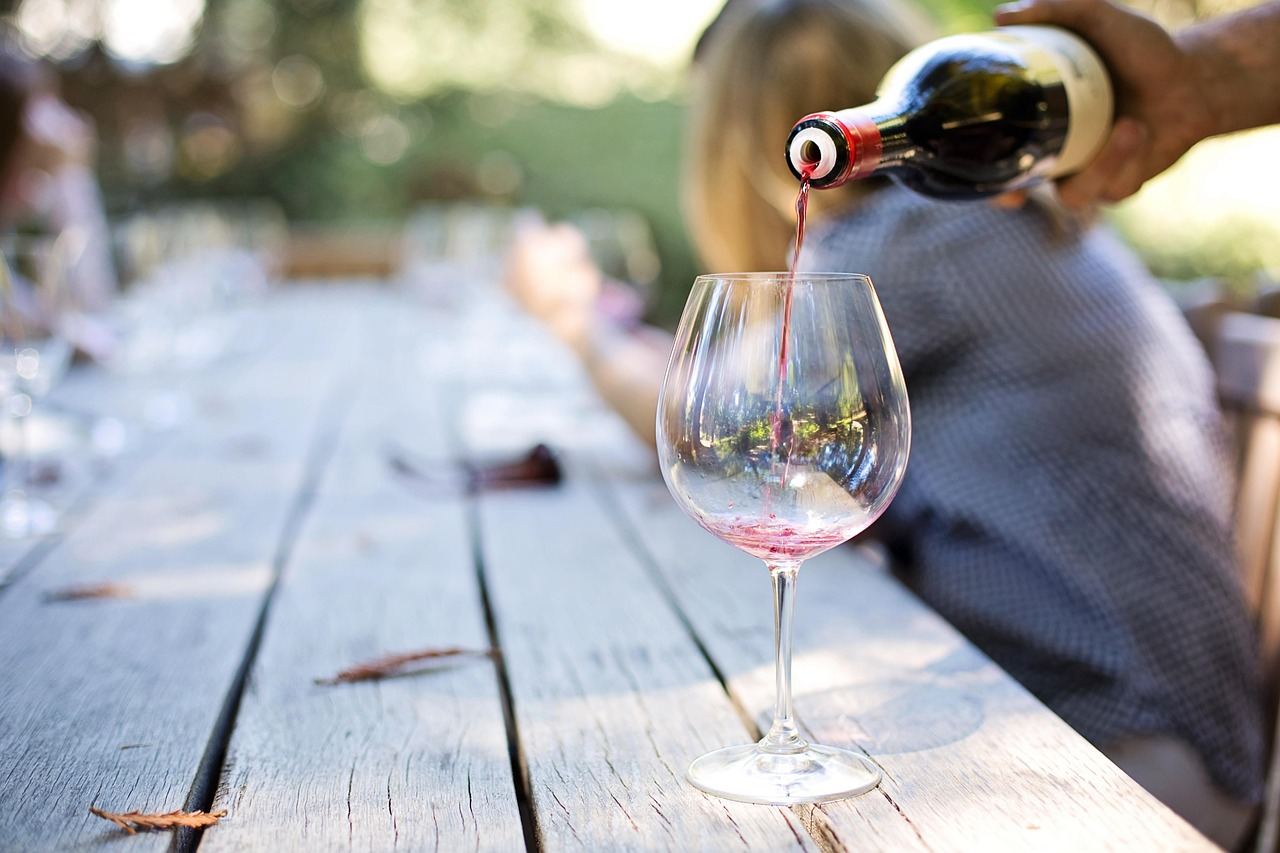
France Travel Planner says a glass is usually 12cl to 14cl. Ask for un verre de vin in blanc, rouge, rosé or mousseux and you will probably be served a Vin de France at a low price. For more, ask for un pichet, which comes in usual sizes of 25cl (two glasses), 46cl or 50cl, or 1 liter.
The Connexion columnist calls the poor selection of wines offered by the glass a pet peeve, so it is fair to ask what is available. He also says the most common restaurant markup is three times the retail price, and that the most popular wine in almost every restaurant is the second cheapest on the list. Treat these as one columnist’s observations, not rules.
Useful French phrases for ordering wine
French Today advises avoiding “je veux” when ordering wine, because it can sound aggressive. Use je voudrais, j’aimerais or je vais prendre, with s’il vous plaît.
- Est-ce que je peux avoir la carte des vins, s’il vous plaît? (May I have the wine list, please?)
- Est-ce que vous servez du vin au verre? (Do you serve wine by the glass?)
- Quel vin est-ce que vous me conseillez pour aller avec ce plat? (Which wine do you recommend with this dish?)
- J’hésite entre deux vins, pouvez-vous me conseiller? (I can’t decide between two wines, can you help?)
- Ce vin est bouchonné. (This wine is corked.)
For the wider rules on tone and pacing at the table, read about french restaurant etiquette.
What happens when the bottle arrives?
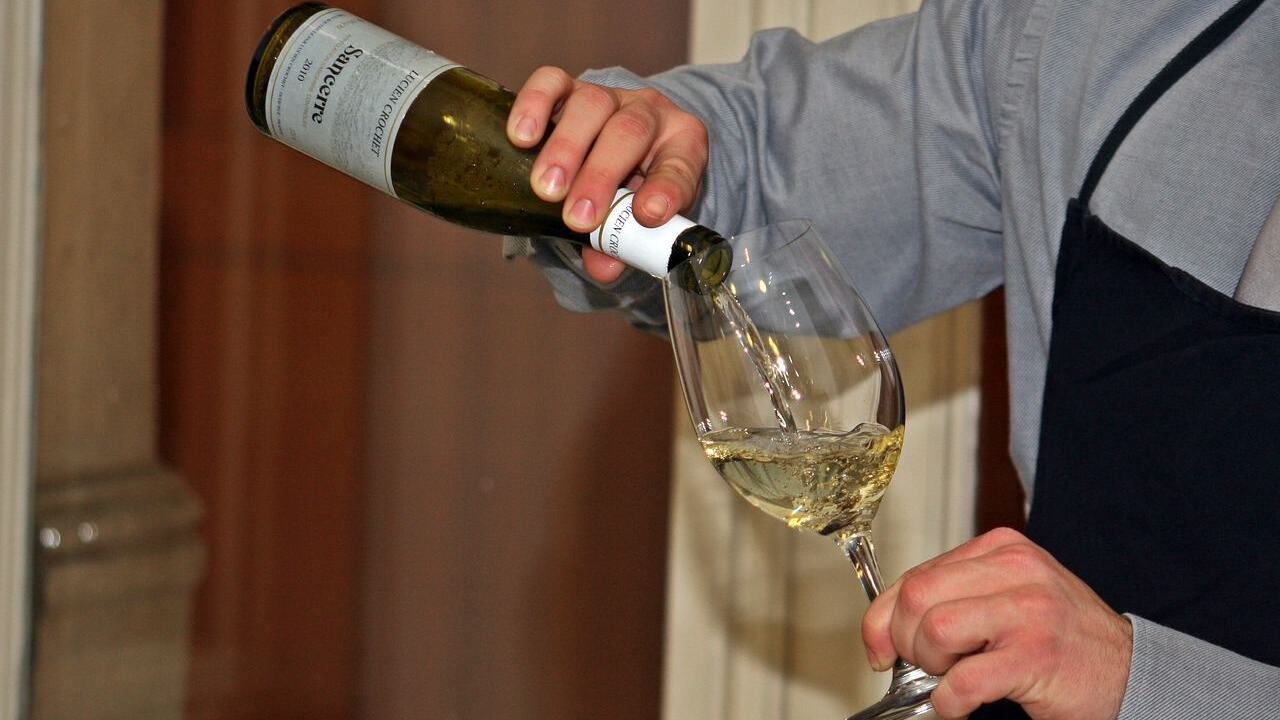
Wine Folly says the three basic parts of the ritual are to verify the bottle, inspect the cork and approve the wine sample. Wine Folly is a US guide describing fine dining, but Vinetur confirms that in many restaurants the bottle is shown to you before it is opened.
- Verify the bottle. Check the producer, the wine name and the vintage if you mentioned one. Wine Folly notes that mistakes happen when bottles from the same producer look almost the same.
- Inspect the cork. It should carry the same producer as the label, and Wine Folly says you can look for seepage up to the edge of the cork.
- Approve the sample. This is only to decide whether the wine is flawed, not whether it is your favourite. If it is fine, ask for it to be poured.
Wine Folly names two faults you can spot by smell:
- Corked: smells like wet cardboard. The cause, TCA, can affect 1-10% of a winery’s production.
- Oxidized: smells sharp, a little like apple cider vinegar.
The Connexion columnist admits most people go through the motions and even experts are unsure. If you smell a fault, say politely “Ce vin est bouchonné” and, using French Today’s phrase, ask “J’aimerais que vous nous changiez la bouteille.” Whether you can return a wine you simply do not like is, in the columnist’s words, an open question, so ask rather than assume.
Frequently asked questions
Is it rude to order by price?
Show answer
No. France Travel Planner’s first rule is to order whatever you like, and it says you can order by price if you wish. Asking the waiter for suggestions within your budget is also fine.
Can I order just one glass of wine?
Show answer
Yes, ask for un verre de vin in the colour you prefer. France Travel Planner says you will probably be served a Vin de France at a low price, and the Connexion columnist notes that glass choices can be limited.
Can I send a bottle back?
Show answer
A wine that smells like wet cardboard or vinegar is a fault, and Wine Folly says that is what tasting the sample is for. Returning a wine you simply do not like is less clear, so ask politely.
What if I do not know the grape?
Show answer
French labels put the region and vineyard first, so you may not see the grape. Tell the waiter your budget and style, such as dry and light, and ask for two options.