Staring at a long shopping list for Japanese cooking? Japanese pantry staples can start small: rice, soy sauce, miso, dashi, mirin and sake. Buy those first, then add extras as your cooking grows.
If you are starting from zero, the guide to japanese cooking for beginners shows how these ingredients fit into everyday meals.
| Item | Key fact |
|---|---|
| Essential seasonings | Five: soy sauce, miso, mirin, sake, dashi |
| Miso in the fridge | Several months, container sealed airtight |
| Mirin in the fridge | Months to years |
| Nori pack | Ten or twenty sheets for a couple of dollars |
| Small pack of dried wakame | About a dollar or two |
These figures come from the University of Illinois sample pantry page and the Chef JA Cooks seasoning guide. Prices and storage times can change, so check the source before you rely on them.
What to stock first
Begin with a short list and let your cooking decide what comes next. The Just Hungry pantry guide says that if your interest is limited or you are on a tight budget, you should concentrate on its must-have list first.
Chef JA Cooks makes a similar point: these five ingredients form the flavor base of soups, rice bowls, and many everyday meals. A sensible first shopping trip looks like this:
- Short-grain rice for bowls, onigiri and sides.
- Japanese soy sauce, the regular kind.
- Miso, ideally white to begin with.
- Dashi, either instant or made from bonito flakes and konbu.
- Mirin and sake for sweetness, depth and balance.
- Rice vinegar for dressings and sushi rice.
The Illinois list was written for households that only sometimes cook Japanese food. It emphasizes things that live happily in a corner of a cupboard instead of ingredients you must buy fresh in bulk. That is a useful filter for any small kitchen.
Rice, noodles and soy sauce: the foundations
Rice
Rice is the base of most meals, so buy the right kind. Just Hungry puts it plainly: Japanese cuisine is based on rice, and the grain is most often sold as sushi rice.
Long-grain rice is a poor substitute. According to the Illinois guide, jasmine or basmati or other long-grain American-style rice won’t work for Japanese cooking because it cooks differently and has a different texture.
Soy sauce
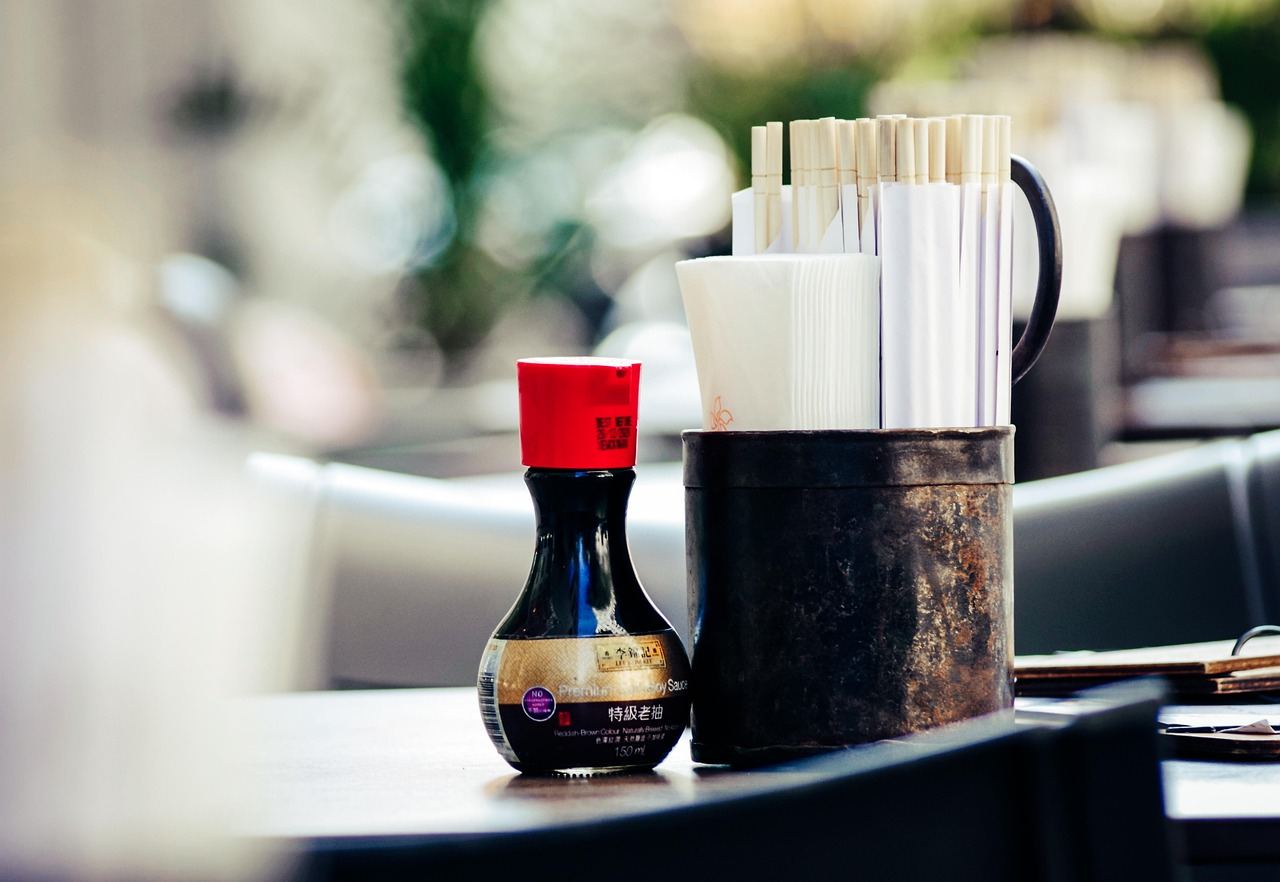
Soy sauce is the bottle to buy if you are only buying one seasoning today. Chef JA Cooks suggests you start with koikuchi soy sauce, the standard dark soy sauce used in most Japanese homes.
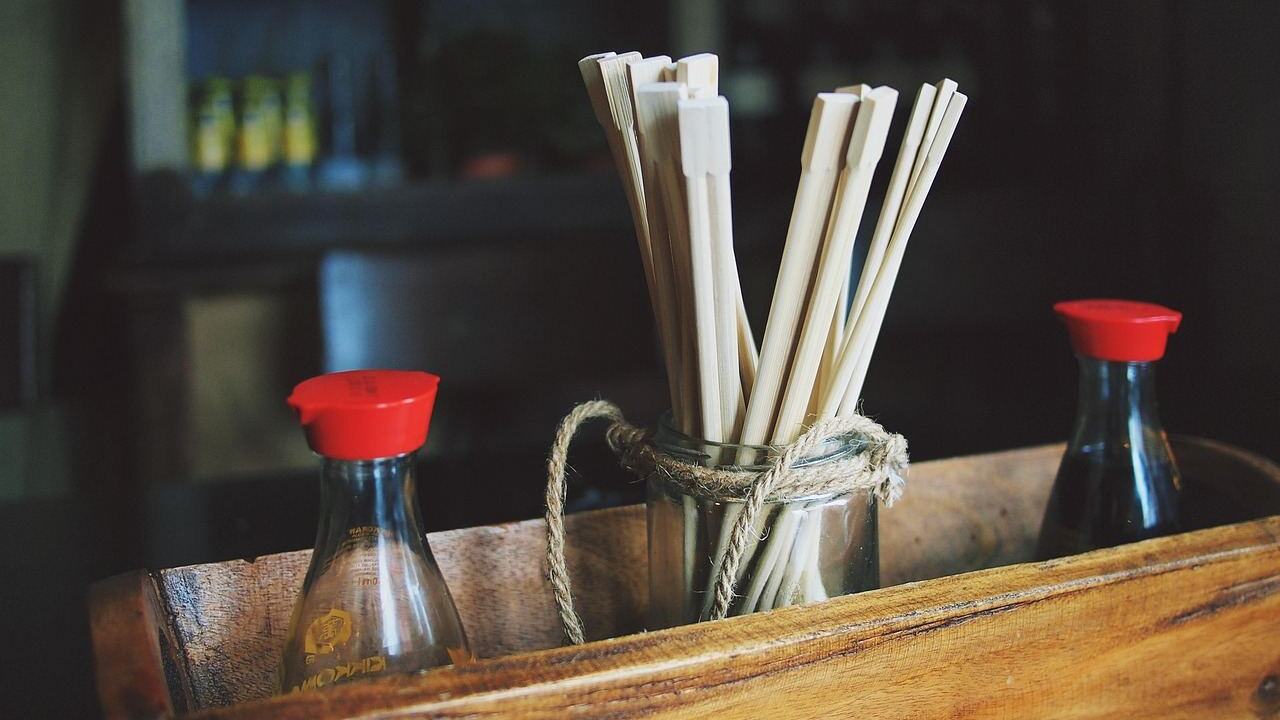
Choose a Japanese brand rather than another country’s version. Just Hungry says that for Japanese food, you should use Japanese soy sauce, rather than Chinese, and names Yamasa and Kikkoman as widely available examples.
Skip the low-salt bottles. The Illinois guide advises you to get the regular kind, not the “reduced salt” kind and to simply use less of it if you want less salt.
Noodles
Dried soba is the easy noodle to keep. The Illinois guide notes that dried soba noodles can live in a corner of your pantry until you’re ready for them.
Udon is different. Dried udon is a disappointment, but the same guide says that fresh precooked udon lasts a few weeks, but not indefinitely, so buy it when you plan to eat it.
Miso, dashi, mirin and sake: the flavour builders
These four ingredients do most of the seasoning work in Japanese home cooking. They are also the ones that confuse new cooks, because each comes in several styles.
Miso
Start with white miso. Chef JA Cooks says that if you’re new to miso, you should start with white miso, which is mild, versatile, and beginner-friendly. The Illinois guide adds that darker miso is stronger, with red miso stronger than white.
Storage is forgiving. Miso keeps for several months in the refrigerator as long as you keep the container sealed airtight, and longer in the freezer. Once miso and dashi are on your shelf, the miso soup recipe is an easy first bowl.
Dashi
Dashi is the stock that gives many dishes their savoury backbone. Fine Dining Lovers describes it as a simple stock ready in just 10 minutes, built on bonito flakes and kombu.
For busy weeknights, instant dashi is fine. Chef JA Cooks recommends that you choose one with no added salt so you can better control the seasoning. Once a granule pack is open, the Illinois guide says to reseal it and put it in the refrigerator in an airtight container to keep its flavor.
Mirin and sake
Mirin adds gentle sweetness and shine. Chef JA Cooks says to choose hon mirin if possible, the traditional mirin made without added sweeteners or salt. It also stores well: the Illinois guide says mirin stores for months to years in the refrigerator without losing its flavor.
For sake, you do not need to spend much. Just Hungry says that as long as it’s drinkable it is fine for cooking. Chef JA Cooks adds that you should skip salted cooking sake and use an affordable junmai-shu instead.
Rice vinegar
Rice vinegar is mild and sweeter than white wine vinegar, according to Just Hungry. The same guide sees no need to stock ready-made sushi vinegar, because mixing your own is so easy.
Dried and shelf-stable extras worth adding
Once the basics are in place, add small packs of things that keep well. The Illinois guide treats these as building blocks that stay happily in a cupboard or fridge until you need them.
- Wakame: the guide says you can get a small package of dried wakame for about a dollar or two, and it expands a lot when soaked.
- Nori: packets of ten or twenty sheets are available for a couple of dollars, and a tin or tupperware keeps them dry.
- Sesame seeds: great for both garnish and flavoring, according to the same guide.
- Furikake: keep a jar on hand and you can make onigiri whenever you like, or liven up plain rice.
- Dried shiitake: more intense in flavor than fresh, so they work as both a flavoring and an ingredient.
- Wasabi powder: mix a spoonful with a few drops of water and let it rest a few minutes.
Tinned fish and shelf-stable tofu are handy too. The Illinois guide describes little tins of marinated fish as great for a fast no-hassle donburi or bento assembly. It also notes that sealed bricks of tofu can survive just fine on a cupboard shelf for several months.
When your shelf holds soy sauce, mirin and dashi, a good first project is the guide on how to make tamagoyaki.
How do you store it all and what do you buy fresh?
Buy small and keep things sealed. That one habit stops most pantry waste, and the Illinois guide applies it even to tea, saying that it’s better to get smaller packages more often than larger packages once in a blue moon.
A few fresh items round out the shelf. Just Hungry lists these as essentials:
- Fresh ginger: powdered ginger cannot be substituted.
- Green onions and leeks: used constantly, with leeks used more than onions.
- Daikon: grated daikon radish cuts down on the oiliness of tempura and grilled oily fish.
If you have precooked rice left over, freeze it. The Illinois guide suggests keeping some precooked rice in the freezer so a quick meal is never far away.
Frequently asked questions
Do I need Japanese soy sauce, or will any bottle do?
Show answer
Use a Japanese one if you can. Just Hungry advises Japanese soy sauce for Japanese food, because soy sauces from different countries differ in flavor.
Can I cook Japanese food with jasmine rice?
Show answer
It is not a good match. The Illinois guide says long-grain rice cooks differently and has a different texture, so choose short or medium grain rice sold as sushi rice.
Which sake should I buy for cooking?
Show answer
Choose an affordable junmai-shu rather than salted cooking sake, as Chef JA Cooks recommends. It only needs to be drinkable.
Is instant dashi acceptable?
Show answer
Yes. Chef JA Cooks calls instant versions excellent for everyday cooking, and suggests picking one with no added salt.