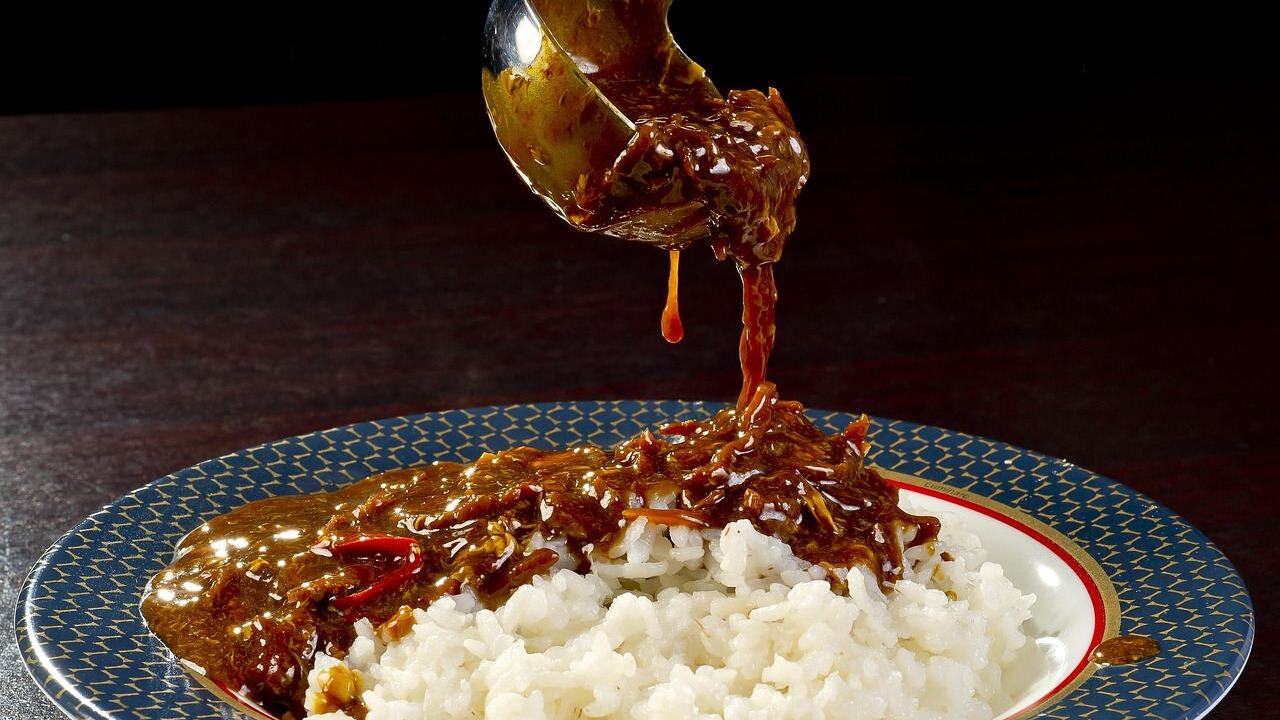
Standing at the shelf of roux blocks and wondering if you can skip them? Japanese curry from scratch is easy: caramelize onions, add Japanese curry powder, thicken with flour and butter or grated vegetables, and simmer.
For the wider picture of the cuisine, start with this guide to japanese cooking for beginners.
| Item | Value |
|---|---|
| Slow chicken curry, total time | 1 hour 40 minutes |
| Fast roux-based curry, total time | 30 minutes |
| Homemade roux | About 50 g butter and about 50 g flour |
| Fridge storage | 3 to 4 days |
| Freezer storage | 1 month |
These figures come from the recipe pages at Norecipes and Chef JA Cooks. Recipes get updated and times vary with your stove, so check the source before you rely on them.
Why make Japanese curry from scratch?
Many Japanese households use a roux block, a firm cake of spices and roux that dissolves in a pot of simmering meat and vegetables. Milk Street explains that Japanese curry is based on a roux and is, in essence, a stew with a sauce. The block simply supplies that sauce base ready-made.
Popular blocks include S&B Golden Curry, House Vermont Curry and Glico Zeppin, sold in sweet, medium and spicy strengths, according to Norecipes. The same page calls these blocks loaded with questionable ingredients and argues that a from-scratch pot tastes better.
The dish itself is old. Milk Street dates it to the late 19th century, when the British brought curry to Japan. Making it yourself lets you decide the fat, the sweetness and the heat.
What goes into a from-scratch pot
The recipes in the sources build flavor in layers, and each layer replaces something the block normally does for you. Here is what to gather.
- Caramelized onions and aromatics: onions, garlic and ginger browned slowly are the base. Norecipes adds baking soda, which breaks down pectin in the onions so they soften more quickly.
- Japanese curry powder: a blend that includes turmeric, cumin and black pepper, plus East Asian spices such as mandarin and star anise, per the same page.
- Stock: the same page says vegetable or chicken stock gives more flavor than water.
- Sweetness: fruit and sugar do the job in most recipes. Apples are the most common, and Norecipes prefers a ripe yellow banana, not one with brown spots.
- Umami: soy sauce, tomato paste, and Worcestershire sauce with ketchup.
- A hidden taste: cocoa powder in the Norecipes version, or instant coffee granules for a similar effect.
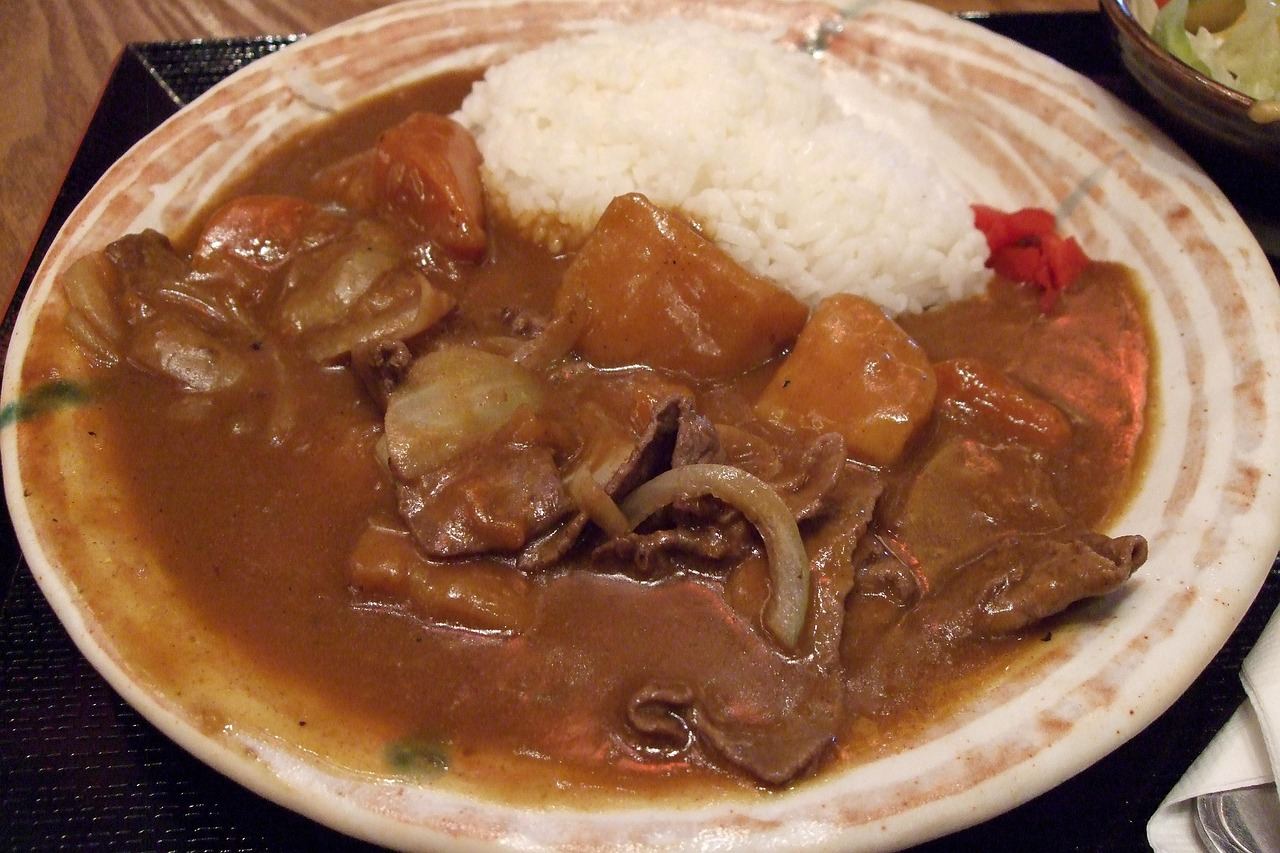
For potatoes, Norecipes picks waxy types such as Red Bliss or fingerling because they dissolve less readily than starchy russets. Carrots go in as chunks for substance and, in that recipe, grated as well to sweeten and thicken the sauce.
Ways to thicken without a block
A block is mostly fat and flour, so you can rebuild the texture in a few ways. Pick one.
- Butter and flour roux: Chef JA Cooks melts about 50 g of butter, stirs in about 50 g of flour and adds the spices, then whisks the roux into the pot in batches. Her recipe finishes it with mango chutney, ketchup and salt.
- Flour slurry: Umami Mart mixes 4 tbsp of flour with 4 tbsp of the hot curry liquid into a clay-like paste, then stirs it in a spoonful at a time.
- Vegetables and fruit: Norecipes skips the roux, letting grated carrot, onion and banana break down into the sauce.
The vegetable route is also gluten free, according to Norecipes. If you prefer the slurry, Umami Mart reports that its gluten-free students simply substituted rice flour for regular flour, as that post describes.
Step-by-step method
Quantities differ between the sources, so use the proportions from whichever recipe you follow. The order of work is the same.
- Brown the meat in a hot pot, then lift it out and set it aside. Norecipes uses skin-on chicken thighs for flavor and juiciness, and notes that breasts tend to be less flavorful and juicy.
- Cook the onions, garlic and ginger in the same pot until deeply browned. This is where the flavor comes from, so do not rush it.
- Return the meat, add carrots and potatoes, and pour in stock to cover.
- Stir in the curry powder and seasonings: soy sauce, Worcestershire sauce, ketchup, a sweetener and your hidden-taste ingredient.
- Thicken with your chosen method, adding roux or slurry in batches so it dissolves smoothly.
- Simmer until the potatoes are tender and the sauce coats a spoon.
- Taste, then adjust.
For adjustments, Chef JA Cooks suggests a little water if the curry is too thick and a longer simmer if it is too thin. If it tastes too spicy, add a little milk, yogurt, honey or grated apple to mellow it.
How long should it simmer?
That depends on how much depth you want. The sources show a wide range, from a long project to a weeknight pot.
- Slow and deep: Umami Mart simmers for 120 minutes on low, and for best results up to 4 hours, on a stock made from roasted beef bones. The author calls making curry from scratch really labor-intensive, per the post.
- Weekend chicken curry: the Norecipes chicken version lists 10 minutes of prep and 1 hour 30 minutes of cooking, for 1 hour 40 minutes in total and 6 servings, on its recipe page.
- Quick: the Chef JA Cooks roux version takes 30 minutes in total, as its page lists.
If you want speed without losing depth, Norecipes’ ground beef version grates the aromatics, which cuts caramelization time from 1 hour to 6 minutes. It also pre-cooks diced potatoes and carrots in a microwave set to 800 watts for four minutes, bringing the cooking time down from three hours to around thirty minutes.
The trade-off is body. Umami Mart reported that using chicken and chicken broth would not yield a curry as rich and strong in taste as the boxed roux, and found that roasting bones for a beef stock was the key, as its author wrote.
Serving and storing
Curry rice needs plain, well-cooked rice underneath, so it helps to know how to cook japanese rice before you start the sauce. Once the rice is sorted, you may also like how to make sushi rice as another staple for a Japanese table.
For extras, the cookbook author Sylvan Mishima Brackett likes his curry with raita and with hard-boiled eggs when it is made with chicken, as Dreaming in Japanese reports. That post also notes that Japanese curry is considered yoshoku, or western food.
Leftovers keep well: Chef JA Cooks says the curry lasts 3 to 4 days in the fridge and 1 month in the freezer. Add a splash of water when reheating if it has thickened.
Frequently asked questions
Can I make Japanese curry without any roux at all?
Show answer
Yes. The Norecipes version thickens the sauce with a mixture of vegetables and fruit instead of a flour and fat roux, which also makes it gluten free, according to its recipe page.
What can I use instead of chunou sauce?
Show answer
If you cannot find it, Norecipes says a 50:50 mix of Worcestershire sauce and ketchup makes a reasonable alternative, as that page explains. Chunou sauce is a fruit-based sauce similar to tonkatsu sauce.
Why do some recipes add cocoa or coffee?
Show answer
Norecipes calls cocoa powder its kakushiaji, a hidden taste that adds earthy depth without tasting of chocolate. Some cooks add instant coffee granules for a similar effect, per the same page.
Can I use chicken breast?
Show answer
You can, but Norecipes says breasts tend to be less flavorful and juicy than thighs, which it describes as offering the perfect balance of richness and juiciness. See the recipe for details.