Want a miso soup recipe you can make on a busy weekday? Heat dashi, cook a vegetable, then stir in the miso off the boil. You’ll have a bowl in about 9 minutes.
This guide sits inside the wider path of japanese cooking for beginners, so it keeps the method simple and the variations flexible.
| Item | Value |
|---|---|
| Total time for the white miso soup | 9 minutes (2 minutes prep, 7 minutes cooking) |
| Servings | 2 servings |
| Dashi stock | 1 ½ cups |
| White miso | 2 tablespoons, more to taste |
| Red miso compared with white miso | About twice as salty |
Time, servings and quantities come from Norecipes, and the saltiness comparison from RecipeTin Japan. Recipes and figures can change, so check the source before you rely on them.
What goes into miso soup?
Miso soup is a traditional Japanese soup of miso in dashi stock, usually served with rice and side dishes. Most versions add only a small number of extra ingredients, such as tofu, wakame, negi, abura-age or mushrooms.
It is a true everyday food. According to Wikipedia, more than 80% of Japan’s annual miso production goes into miso soup, and 75% of Japanese people eat it at least once a day.
The stock is what makes the soup taste finished. Without dashi the broth lacks umami, and a plain water base is a bit like making chicken soup without the chicken. If you want to build the stock yourself, the guide on how to make dashi walks through the usual kombu and dried-fish options.
A good soup needs only a few parts:
- Dashi stock, homemade or from a pack or granules.
- Miso paste, white, mixed or red.
- One or two solid ingredients, such as tofu, seaweed, onion or daikon.
- An optional garnish, such as scallions or mitsuba.
Choosing your miso: white, awase or red
Miso is a fermented soybean paste, and it can be sorted into red (akamiso), white (shiromiso) or mixed (awase). The fermentation time shapes the flavour: shorter fermentation gives a lighter, sweeter paste, and longer fermentation a stronger, deeper one.
- White (shiro): mellow, lightly sweet and pale, with a shorter fermentation and more rice koji.
- Awase: sits in the middle for both colour and saltiness, and is the style most supermarkets outside Japan stock.
- Red (aka): darker, firmer and nuttier, with a longer ageing time.
Salt level matters when you measure. RecipeTin Japan notes that aka-miso is twice as salty as shiro-miso, so use a little more white miso and a little less red.
If you are unsure where to start, awase is a forgiving choice, because RecipeTin Japan finds that any combination of ingredients works with it. The list of japanese pantry staples shows what else is worth keeping on the shelf next to a tub of miso.
A basic miso soup recipe, step by step
The base below follows the white miso soup from Norecipes, which serves 2 and takes 9 minutes in total. Sliced kabocha and onion add a soft sweetness, and they cook in the stock before the miso goes in.
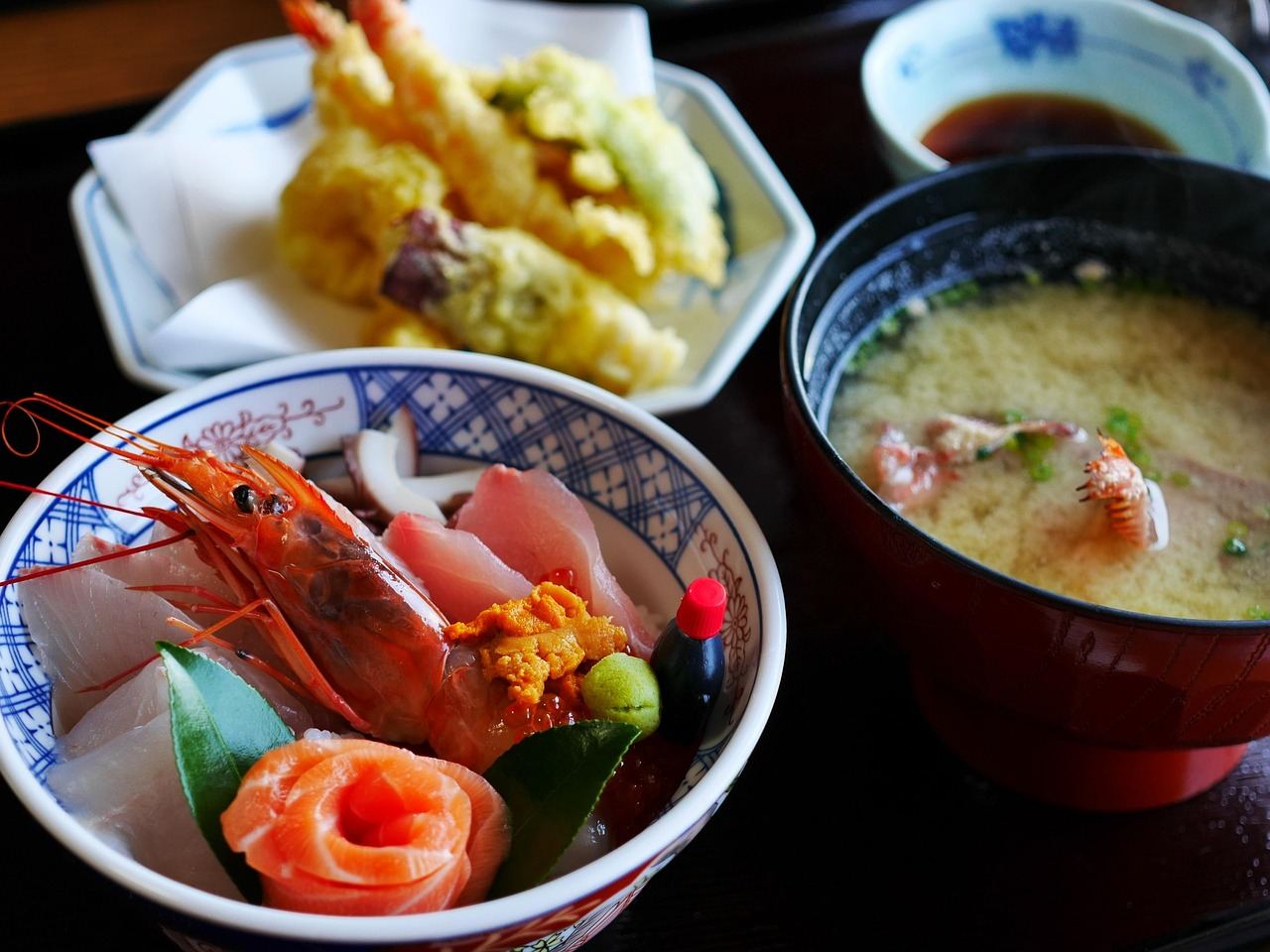
Ingredients
- 1 ½ cups dashi stock
- 75 grams kabocha, sliced
- 50 grams onion, sliced
- 2 tablespoons white miso, plus more to taste
- Chopped mitsuba, for garnish
Method
- Put the dashi, kabocha and onion in a small pot, bring it to a simmer and cook until the kabocha is tender.
- Turn the heat down. Boiling the soup after the miso goes in makes it separate, so the pot should be calm before you add the paste.
- Dissolve the miso in a ladle with some of the hot broth, using chopsticks, so no clumps are left. Stir it back into the pot.
- Taste as you go. Miso varies in saltiness, so add the paste in stages rather than all at once.
- Ladle into bowls and top with the mitsuba.
Ways to vary your miso soup
Once the method is familiar, you can change the add-ins and the miso without changing the steps. Japanese custom is to choose ingredients by season and to contrast colour, texture and flavour, for example a mild tofu with a sharper negi.
- Classic tofu and wakame: the most familiar pairing, and one that RecipeTin Japan calls the most popular among Japanese people.
- Daikon and aburaage: a hearty pairing that suits colder weather, along with potatoes, onions and dark miso.
- Spring and summer: lighter bowls with cabbage, seri, myoga or eggplant.
- Onion only: a simple home-style soup in which the onion cooks until it melts in the mouth.
- Tonjiru: add pork and the soup gets a new name, meaning pork soup, and it is usually a lunch or dinner dish.
- Extra filling: drop in a couple of pieces of mochi until they soften, or finish with a drizzle of toasted sesame oil.
When to add each ingredient
Timing is the secret to a good variation. Firm vegetables need more time in the stock, and delicate ones need almost none.
- Root vegetables and squash go in at the very beginning, because they take the longest to cook.
- Eggplant goes in early, since it needs more time than you might expect.
- Green vegetables such as green beans or broccoli go in around the middle, so they keep their colour.
- Fried tofu goes in just before the miso, and plain tofu after it, because raw tofu can fall apart while you dissolve the paste.
- Leafy greens and seaweed go in at the very end, since seaweed turns to mush if you overcook it.
Daikon must be cooked through before the miso goes in. Aburaage is usually rinsed with boiling water to remove excess oil, then squeezed and cut to size.
Vegetarian and vegan versions
Most dashi includes dried fish, so a plant-based soup starts with kombu dashi or a shiitake dashi. Most miso is vegan-friendly, but read the label to make sure it does not include fish.
Mistakes to avoid and how to serve it
A few small habits separate a mellow bowl from a harsh one:
- Boiling the soup after adding the miso, which can destroy the delicate taste and aroma and make the flavour more aggressive.
- Adding the paste straight to the pot instead of dissolving it first, with a sieve or a ladle, to avoid lumps.
- Using too much miso. It is better to start with less and add more as you go.
- Overloading the bowl. A classic version has more soup than ingredients.
Miso soup is usually served in lidded lacquer bowls and drunk straight from the bowl, while the solid pieces are eaten with chopsticks. At home any small bowl works, and the soup is best hot but not boiling, so its delicate flavours come through.
Frequently asked questions
Can I make miso soup without dashi?
Show answer
You can, but it will taste flat. Fundokin, a Japanese miso maker, says miso soup without dashi does not have enough umami, and recommends bags of dashi powder as a simple alternative to homemade stock.
Is miso soup vegetarian?
Show answer
It can be. Kelp or shiitake dashi gives a vegetarian stock, as noted by Wikipedia, and you should check that the miso contains no fish.
Does heating miso destroy its benefits?
Show answer
Wikipedia calls this a common myth: it says the health benefits come from nutrients produced by enzymes during miso making, not from the bacteria. You should still avoid boiling the soup after adding miso, because that affects flavour and aroma.
How long does instant miso soup keep?
Show answer
According to Wikipedia, instant miso soup has a shelf life of 3 to 12 months. Check the date on your own pack.