Wondering how to make dashi without it turning bitter or fishy? Steep kombu in water, lift it out before the boil, steep bonito flakes briefly, then strain.
Looking for the bigger picture? Start with japanese cooking for beginners, then come back here for the stock.
| Item | Value |
|---|---|
| Ichiban dashi batch size | 4 cups |
| Kombu per batch | 13-18 grams (0.45-0.6 ounces) |
| Kombu soak in the pot | about 15 minutes |
| Katsuobushi steep | 3 minutes |
| Fridge storage (one recipe) | up to 4 days |
| Niban dashi simmer | 10 minutes |
The figures come from La Fuji Mama and America’s Test Kitchen. Recipes and storage advice can change, so check the source before you rely on them.
What dashi is and what goes into it
Dashi is the stock behind much of Japanese cooking, built on kombu (dried kelp) and katsuobushi, which are dried, smoked, fermented and shaved skipjack tuna flakes. Katsuobushi is commonly sold as bonito flakes, so you will see both names on packs.
A European stock can need hours of simmering with bones or vegetables. Ichiban dashi instead relies on the umami-rich compounds in kombu and bonito flakes and is ready in minutes, as SBS Food puts it. Many cooks compare the method to brewing tea: steep, then strain.
Ichiban dashi means the “first brew”. It is the pure, clear version for delicate dishes, while the second brew is saved for dishes with other strong ingredients.
For one batch, La Fuji Mama gives these amounts for 4 cups of stock:
- 4 cups water
- 16-20 square inches of kombu, or roughly 13-18 grams
- 1/2 cup loosely packed katsuobushi
If you prefer weighing, America’s Test Kitchen says 1 ounce each of kombu and katsuobushi per 4 cups of broth is common. Use more or less to suit your taste.
How to make ichiban dashi, step by step
The method below blends the recipes cited on this page. Use a pot you can watch closely, because the key moment comes just before the water boils.
- Prepare the kombu. Wipe it with a dry cloth to remove dirt, but leave the white crystals on the surface. Another recipe rinses it quickly under cold water and pats it dry, or wipes it with a damp cloth, to take off excess saltiness.
- Soak. Put the water and kombu in a pot and let it soak for about 15 minutes, as La Fuji Mama suggests.
- Heat gently. Bring the pot up over medium heat. Watch for bubbles breaking around the edge, and lift the kombu out just before the water boils.
- Steep the katsuobushi. Add the flakes off the boil and leave them for about 3 minutes, following America’s Test Kitchen. They are ready when they have sunk to the bottom.
- Skim and strain. Skim off any frothy scum, but do not stir, because stirring clouds the stock. Pour it through a sieve lined with cheesecloth, a tightly woven cotton cloth, paper towel or a coffee filter.
On SBS Food, the recipe lists 5 minutes of preparation and 20 minutes of cooking. That is quick enough for a weeknight.
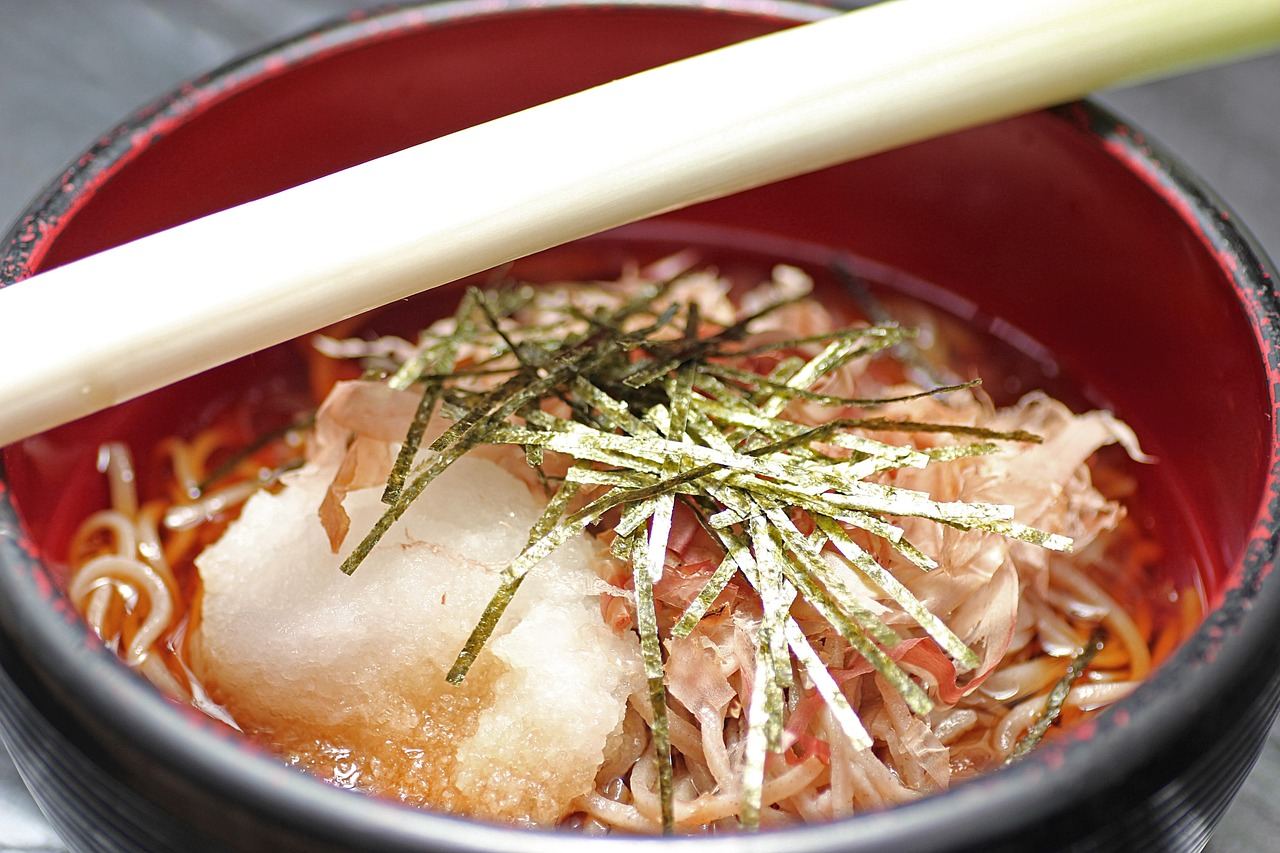
If you cook in metric, the same SBS recipe uses a 10 cm square piece of dried kombu, 1.5 litres (6 cups) of cold water and 15 g of bonito flakes. It adds the flakes to a boil for 2 seconds, then rests them for about 2 minutes.
Why temperature matters for kombu and katsuobushi
Dashi is a balancing act. You want the savoury compounds from both ingredients and as little as possible of the bitter or fishy ones.
America’s Test Kitchen heats the kombu and its soaking liquid slowly to 150 degrees, when the water is steaming. Higher temperatures over-extract the kelp and lead to bitterness. Its katsuobushi steep then happens in liquid brought to 200 degrees.
SBS Food makes the same point in plain terms: if the kombu is boiled, the stock will become slightly bitter.
You can also cold-steep. The same test kitchen found that 1 to 8 hours gave clean, sweet depth, and it caps the soak at 8 hours because longer soaking extracts polysaccharides that make the kombu slimy in the dashi.
Niban dashi: a second brew from the same flakes
Niban dashi reuses the spent kombu and katsuobushi. Cover them with fresh water, put the pot over low heat and cook for 10 minutes, then strain, according to La Fuji Mama. It makes about 4 cups.
According to What To Cook Today, the first brew suits dishes that need pure dashi flavour, and the second suits dishes mixed with other ingredients. The habit dates from when katsuobushi was rare and expensive and could not be wasted.
Once you have a batch, it is ready for a miso soup recipe, one of the most common uses for dashi. If you want rice on the side, read how to cook japanese rice next.
Vegan dashi: kombu on its own
Katsuobushi is made from fish, so a vegan stock needs a different approach. The simplest one is kombu-only dashi: use the soaking and gentle heating steps above and leave out the flakes.
This works because kombu is among the world’s richest natural sources of umami. America’s Test Kitchen notes that chemist Kikunae Ikeda traced its savour to glutamate in the early 1900s. A cold soak and a gentle warm-up draw that out.
The recipes cited here are for fish-based dashi, so treat kombu-only as a simple adaptation rather than a tested recipe from them. Taste as you go. Expect a cleaner, lighter and less smoky stock than the one made with bonito.
How long does dashi keep?
Advice differs. La Fuji Mama says to refrigerate the stock in a tightly covered container for up to 4 days. What To Cook Today says it keeps up to 1 week in the refrigerator, or can be frozen for up to 1 month.
Freezing is disputed. La Fuji Mama notes that sources disagree on whether ichiban dashi can be frozen, with some saying it loses aroma and flavour. When in doubt, use the shorter fridge window and make small batches.
Frequently asked questions
Can I make dashi with only kombu?
Show answer
Yes. Kombu alone gives a savoury, plant-based stock, and it is the usual starting point for vegan dashi. Skip the katsuobushi and expect a lighter, less smoky flavour.
What does ichiban dashi mean?
Show answer
It means the first brew, the first stock made from fresh kombu and katsuobushi. The second brew, niban dashi, is made from the same ingredients after the first batch.
Why is my dashi bitter or cloudy?
Show answer
Bitterness usually comes from boiling the kombu, so lift it out before the water boils. Cloudiness comes from stirring after the flakes go in, so skim off the scum gently and strain without pressing.
Should I wash the kombu first?
Show answer
Sources differ. One recipe wipes it with a dry cloth and warns not to remove the white crystals on the surface. Another rinses it quickly under cold water and pats it dry. Either way, do not scrub it.